
account_balance Financial Management
expand_moreadd_circle Add Transaction
| Date | Type | Category | Description | Amount | Actions |
|---|---|---|---|---|---|
| No transactions yet. | |||||
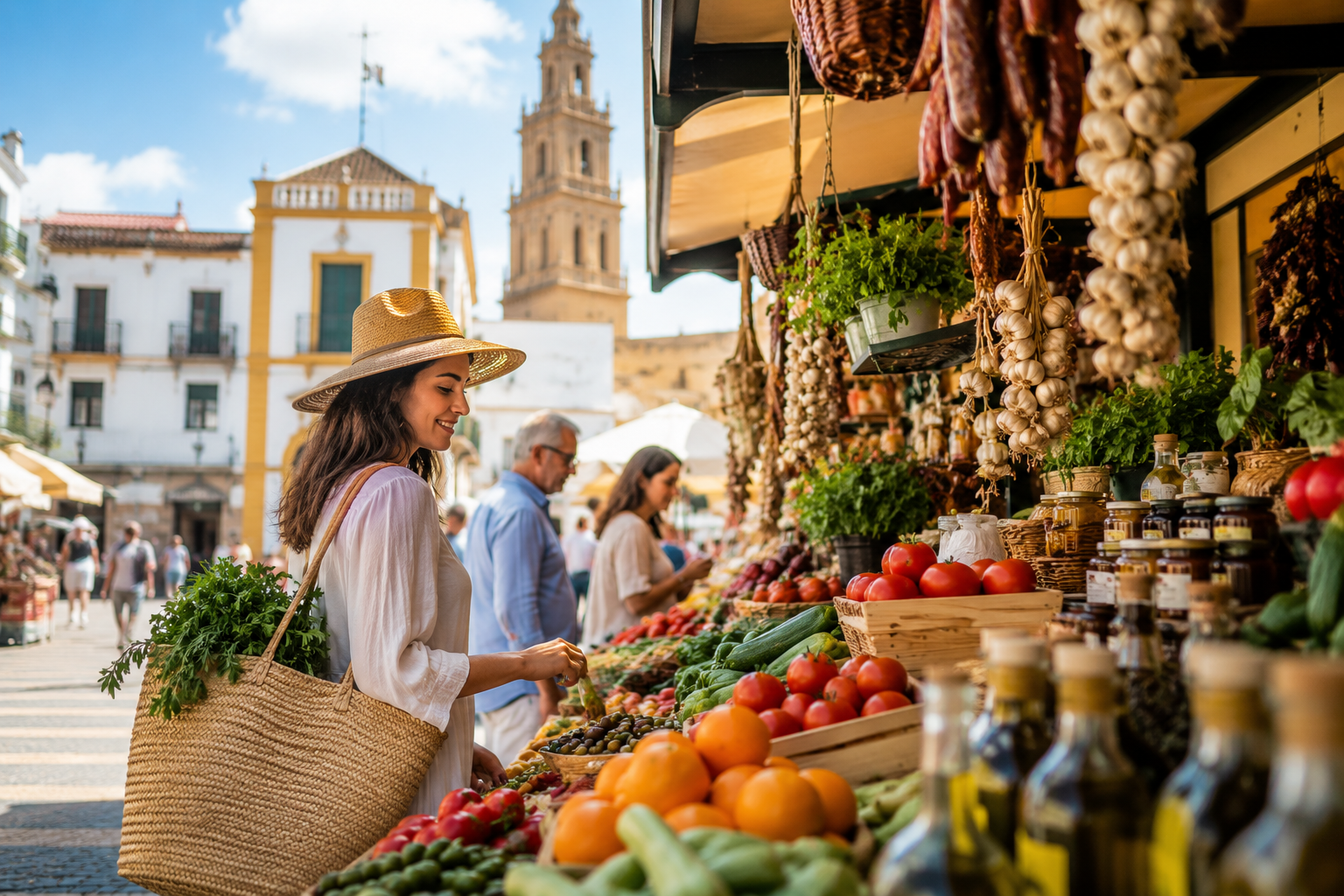
When you visit Andalusia, one of the most authentic ways to experience the region’s vibrant culture and culinary heritage is by exploring its local markets. These bustling spaces—known as mercados in Spanish—are far more than just places to buy fresh produce. They are living repositories of tradition, community spirit, and gastronomic excellence that have thrived for centuries throughout southern Spain.
At Sea Suite Spain in Almuñécar, we encourage our guests to venture beyond the beach and immerse themselves in the genuine rhythms of Andalusian life. The local markets offer an unparalleled window into how locals live, eat, and celebrate the bounty of their Mediterranean homeland.
The Cultural Significance of Andalusian Markets
Markets in Andalusia represent something deeply rooted in Spanish culture. According to historical records, many of these markets have operated continuously for over 200 years, with some dating back to medieval times. The market tradition in Andalusia is intertwined with the region’s Moorish heritage, Roman influences, and centuries of agricultural development along the Mediterranean coast.
These markets are gathering places where generations of families have shopped, where vendors greet regular customers by name, and where the rhythm of daily life pulses through narrow aisles lined with colorful stalls. They embody the convivencia—the coexistence and cultural exchange—that defines Andalusian identity.
Mercado de San Agustín, Granada
Located in the heart of Granada, the Mercado de San Agustín stands as one of Andalusia’s most iconic markets. Originally constructed in 1872, this stunning iron and glass structure underwent a comprehensive renovation completed in 2015, transforming it into a modern gastronomic hub while preserving its historical character.
The market spans approximately 1,200 square meters and features over 30 vendors specializing in fresh produce, jamón ibérico (Iberian ham), seafood, and artisanal products. What makes this market particularly special is its upper level, which hosts a contemporary food court where visitors can sample prepared dishes featuring market ingredients.
When you walk through the Mercado de San Agustín, you’ll encounter:
- Fresh produce sections featuring Granada’s famous pomegranates (granadas), which give the city its name, alongside seasonal vegetables from the surrounding Vega plain
- Fish counters displaying Mediterranean catches including boquerones (anchovies), gambas (prawns), and espada (scabbardfish)
- Jamón and cured meat specialists offering slices of jamón ibérico de bellota, some aged for 36 months or more
- Artisanal cheese vendors showcasing cheeses from across Andalusia, including the creamy queso de cabra (goat cheese) from the Alpujarra region
- Olive oil producers selling extra virgin oils from local cooperatives, many with protected designation of origin (D.O.)
The market operates Monday through Saturday, with peak hours typically between 9 AM and 2 PM, when locals do their daily shopping. The atmosphere during these hours is authentically bustling—vendors calling out their wares, customers haggling over prices, and the aroma of fresh produce and seafood filling the air.
Mercado de Atarazanas, Málaga
In Málaga, the Mercado de Atarazanas is a magnificent example of 19th-century market architecture. Built in 1869, this market occupies what was once the site of medieval shipyards (atarazanas means shipyards in Spanish). The market’s distinctive feature is its ornate iron structure and the famous arch entrance decorated with colorful ceramic tiles.
Spanning over 3,500 square meters, Atarazanas houses approximately 100 vendors and is one of the largest traditional markets in Andalusia. As of 2024, it remains a thriving commercial space where both locals and tourists converge daily.
The market specializes in:
- Tropical fruits unique to Málaga’s microclimate, including mangoes, avocados, and custard apples (chirimoyas) that thrive in the region’s benign climate
- Fresh fish and seafood from daily catches at the nearby port, including espetos (grilled sardines) and langostinos (Norway lobsters)
- Vegetables from the fertile plains surrounding Málaga
- Prepared foods and traditional dishes available at market stalls
Visitors to Atarazanas should arrive early, around 8-9 AM, to experience the market at its most vibrant. The market operates Monday through Saturday, with Sunday hours limited to the morning.
Mercado de Abastos, Almuñécar
For guests staying at Sea Suite Spain, the Mercado de Abastos in Almuñécar offers an intimate, local market experience without the tourist crowds of larger cities. This traditional market captures the essence of Costa Tropical commerce and community.
The Mercado de Abastos specializes in products characteristic of the Costa Tropical region:
- Tropical fruits including mangoes, avocados, and passion fruit that flourish in Almuñécar’s exceptional microclimate (with average annual temperatures around 18°C and minimal frost)
- Fresh Mediterranean fish landed at Almuñécar’s working fishing port
- Local produce from the surrounding agricultural areas
- Artisanal products from small producers throughout the region
The market operates daily except Sundays, with the best time to visit being early morning (7-10 AM) when vendors are fully stocked and the market energy is at its peak. Unlike larger markets, Abastos maintains an authentic neighborhood feel, with many vendors knowing regular customers by name and offering recommendations based on what’s freshest that day.
What to Expect: The Market Experience
Visiting an Andalusian market is a sensory experience that differs significantly from supermarket shopping. Here’s what you should know:
Timing and Hours
Most traditional markets operate Monday through Saturday, with peak hours from 8 AM to 2 PM. Many close on Sunday afternoons and all day Monday in some locations. As of 2024, most markets have adjusted their hours slightly, with some extending evening hours on Thursdays and Fridays.
Pricing and Payment
While some vendors now accept card payments, cash remains preferred in many stalls. Prices are often negotiable, particularly if you’re buying multiple items or shopping late in the day when vendors may offer discounts to move inventory.
Language and Interaction
Don’t be intimidated by language barriers. Andalusian vendors are accustomed to tourists and appreciate genuine interest in their products. A simple “¿Qué me recomienda?” (What do you recommend?) often leads to engaging conversations and excellent suggestions.
Seasonal Variations
Markets change seasonally. Summer brings abundance of stone fruits and tropical fruits. Autumn and winter feature root vegetables, citrus fruits, and hearty ingredients for traditional stews. Spring showcases fresh greens and early vegetables. As of 2024, climate patterns have slightly extended growing seasons, with some tropical fruits now available year-round in southern markets.
Culinary Treasures to Discover
Jamón Ibérico
This premium cured ham comes from black Iberian pigs fed on acorns (bellota). Prices vary based on aging: jamón ibérico de bellota aged 24-36 months can cost €25-40 per 100 grams at market stalls, while younger versions start around €15 per 100 grams.
Extra Virgin Olive Oil
Andalusia produces some of the world’s finest olive oil. Look for oils with D.O. (Denominación de Origen) certification from regions like Baena or Priego de Córdoba. Quality extra virgin oils typically range from €8-20 per liter at markets, significantly cheaper than retail shops.
Fresh Seafood
Mediterranean fish at markets is often caught that morning. Boquerones (anchovies) cost around €8-12 per kilogram, while larger fish like dorada (gilt-head bream) range from €12-18 per kilogram depending on size and season.
Artisanal Cheeses
Andalusian cheeses, particularly goat cheese from the Alpujarra region, offer distinctive flavors. Prices range from €10-25 per kilogram depending on aging and type.
Tropical Fruits
In Almuñécar and coastal markets, tropical fruits are remarkably affordable. Mangoes cost €2-4 each, avocados €1-2 each, and chirimoyas (custard apples) €3-5 each during peak season (September through November).
Planning Your Market Visit
When staying at Sea Suite Spain in Almuñécar, we recommend:
- Visit early: Arrive by 8-9 AM for the best selection and most authentic atmosphere
- Bring cash: While cards are increasingly accepted, cash allows for easier negotiation and is preferred by many vendors
- Bring reusable bags: Many vendors will bag your purchases, but bringing your own is more sustainable
- Ask questions: Vendors love sharing information about their products and how to prepare them
- Sample offers: Many vendors offer small tastes—accepting these is a way to engage with the market culture
- Visit multiple times: If you’re staying several days, visiting the market on different days shows different inventory and energy
The Market as Cultural Experience
Beyond the practical aspect of purchasing fresh ingredients, markets in Andalusia represent something profoundly Spanish: the importance of quality, community, and the ritual of daily life. They’re spaces where time seems to move differently, where efficiency takes a back seat to conversation and connection.
Our guests at Sea Suite Spain often tell us that visiting local markets was among their most memorable experiences in Andalucía. Standing in the Mercado de Abastos in Almuñécar, watching fishermen’s wives selling the catch their husbands brought in that morning, or tasting jamón ibérico from a vendor who’s been in the same stall for 30 years—these are the experiences that create lasting memories of Spain.
The benign climate of southern Spain has allowed these markets to flourish for centuries. The abundance of Mediterranean produce, the proximity to fishing ports, and the agricultural richness of inland regions combine to create markets that are genuinely impressive in their variety and quality.
Conclusion
Andalusian markets are living museums of culture, commerce, and culinary tradition. Whether you’re visiting the grand iron-and-glass structures of Granada’s Mercado de San Agustín or the intimate neighborhood markets of Almuñécar, you’re participating in a tradition that stretches back centuries.
These markets offer something that no tourist attraction can replicate: authentic daily life, genuine human interaction, and direct access to the finest ingredients the region produces. They’re places where you can taste the terroir of Andalusia, meet local people, and understand what makes this region special.
When you visit Andalucía, make time for the markets. Wake up early, bring cash, and let yourself get pleasantly lost in the sights, sounds, and aromas. Your palate—and your understanding of Spanish culture—will be enriched immeasurably.
References and Bibliography
Andalusia Tourism Board. (2024). Mercados Tradicionales de Andalucía. Retrieved from https://www.andalucia.org
Málaga Tourism Office. (2024). Mercado de Atarazanas: Cultural Heritage and Market Information. Retrieved from https://www.malagaturismo.com
Spanish Ministry of Agriculture, Fisheries and Food. (2023). Agricultural Production in Andalusia 2023. Retrieved from https://www.mapa.gob.es
Seville Tourism Board. (2024). Triana District Markets and Traditional Commerce. Retrieved from https://www.sevillaturismo.com