Tag: Gastronomy

  • Gastronomic Traditions of Granada: A Culinary Journey

    Gastronomic Traditions of Granada: A Culinary Journey

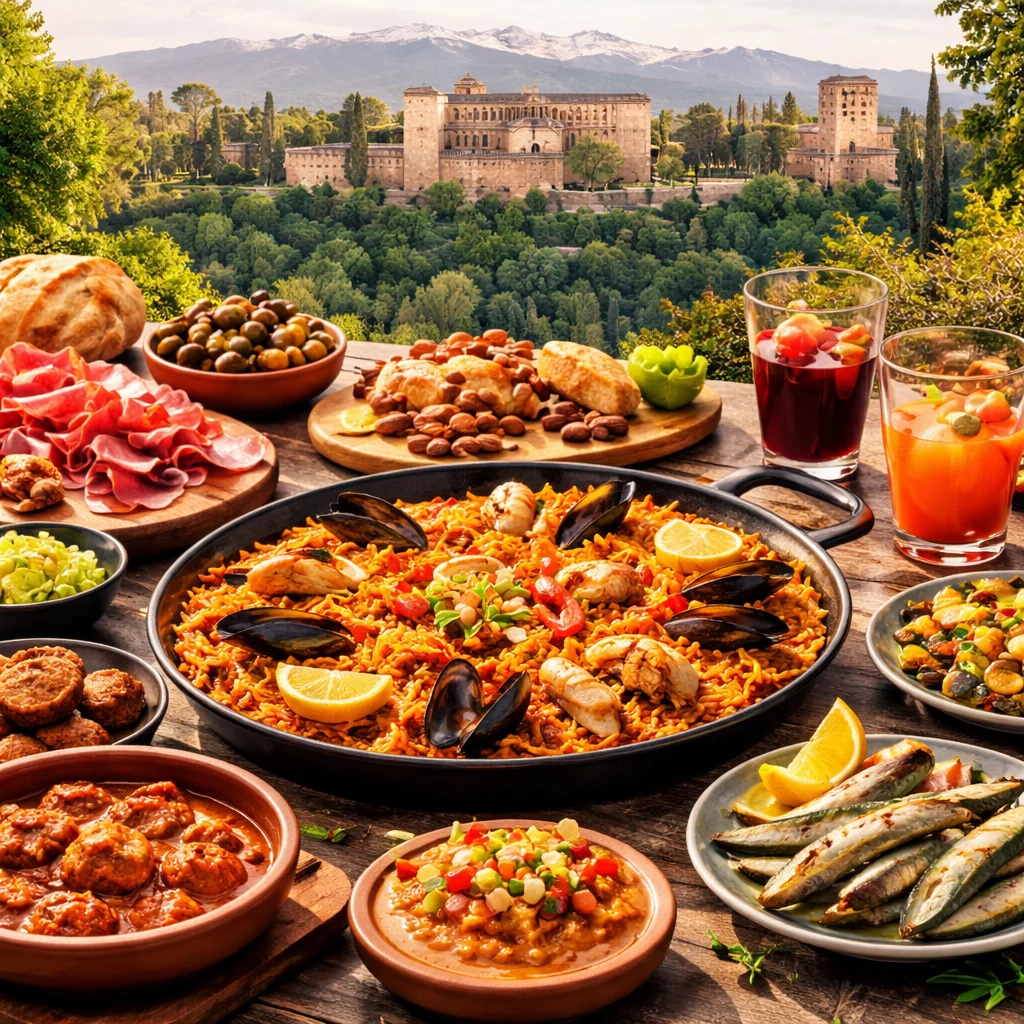
    The Culinary Landscape of Granada

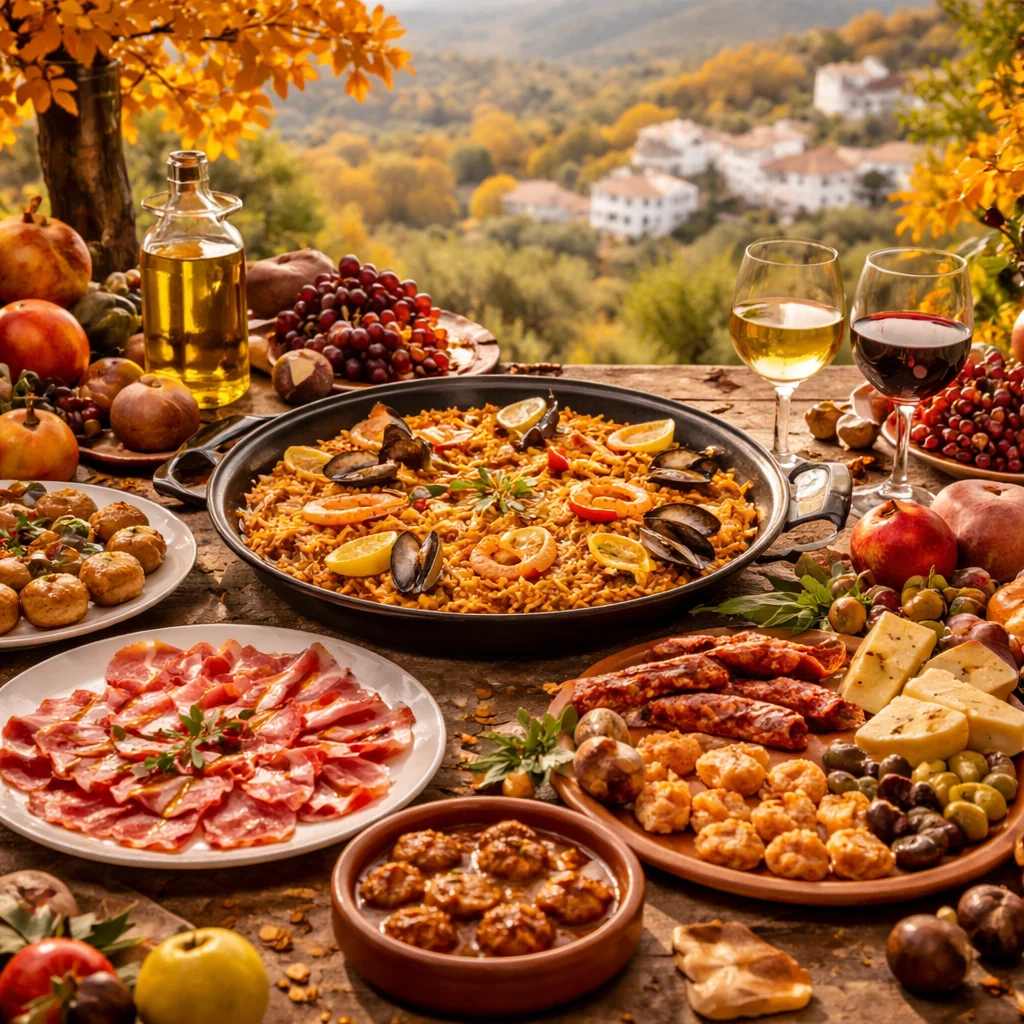
    Granada, a city steeped in history and culture, is known not only for its stunning architecture and the Alhambra but also for its deep-rooted gastronomic traditions. Granada’s cuisine reflects a blend of Moorish, Jewish, and Christian influences that tell the story of its diverse heritage. The region’s gastronomy is characterized by the use of local ingredients sourced from its fertile Vega, the Lecrín Valley, and the Costa Tropical. This climatic diversity allows for everything from the cultivation of tropical fruits on the coast to the iconic pomegranates and oranges, which are fundamental in local recipes.

    Traditional Dishes of Granada

    1. Tortilla del Sacromonte: This iconic dish comes from the historic gypsy neighborhood of Sacromonte. It is made with eggs, potatoes, peas, and its main feature: offal such as ram brains and testicles. This omelet showcases the resourcefulness of traditional cooking, achieving an intense, mellow flavor profile deeply rooted in local history.
    2. Piononos de Santa Fe: Created in 1897 by Ceferino Isla in the nearby town of Santa Fe to pay tribute to Pope Pius IX (Pío Nono), these are small sponge cakes moistened in syrup, filled with cream, and topped with toasted cream. They are the perfect end to any Granadan meal.
    3. Olla de San Antón: A hearty stew traditionally prepared around January 17th to celebrate the feast of San Antonio Abad. Made with dried broad beans, rice, and various parts of the pig (ear, tail, black pudding, mask), it reflects the slaughter season and the need for high-calorie dishes for the winter at the foot of the Sierra Nevada.
    4. Remojón Granadino: Although gazpacho is popular, Granada’s true cold ambassador is the remojón. This refreshing salad of Mozarabic origin combines peeled and chopped oranges, desalted cod, black olives, spring onions, and a generous splash of local extra virgin olive oil.
    5. Migas de Sémola: Unlike other regions in Spain where stale bread is used, in Granada and neighboring Almería, migas made with wheat semolina flour predominate. They are traditionally served with bacon, chorizo, garlic, fried peppers, and even melon or fried fish in coastal areas.

    The Treasure of the Mountain: PGI Trevélez Ham

    The Alpujarra region, on the southern slopes of the Sierra Nevada, is famous for its altitude and its cold, dry air—perfect conditions for natural curing. This is where Trevélez Ham is produced, protected by a Protected Geographical Indication (PGI). Its curing process without artificial nitrites, ranging from 14 to 24 months depending on the weight, gives it a sweet, low-salt flavor that was even recognized by Queen Isabella II in the 19th century.

    Tapas Culture and Events

    Granada is the undisputed tapas capital of Spain, where every drink automatically includes a generous, complimentary appetizer.

    1. Granada Tapas Gastronomic Competition: Organized by the Provincial Federation of Hospitality Enterprises, this annual contest brings together the best bars and restaurants in the city, competing by creating signature tapas using local products protected under the “Sabor Granada” brand.
    2. Corpus Christi Fair: Usually held in June, this is Granada’s main festival. At the Almanjáyar fairgrounds and in the city center, visitors can enjoy public tents where they can taste stews, fried fish, and manzanilla wine amidst flamenco and sevillanas performances.

    The Hospitality of the People of Granada

    The warmth of the Granadan people enriches the culinary experience. In the bustling bars of areas like the San Antón neighborhood, Calle Navas, or the Albaicín, waitstaff and venue owners proudly share the history behind each tapa. Interacting with locals at these lively counters provides an authentic glimpse into the Andalusian lifestyle.

    A Culinary Experience at Sea Suite Spain

    Staying at Sea Suite Spain in Almuñécar gives you a perfect base to explore both the Costa Tropical and the interior. Here, you can enjoy stunning Mediterranean views while savoring local delicacies such as mango, cherimoya, and dried octopus. The proximity to the capital (less than an hour’s drive) allows for day trips to dive into the city’s gastronomic treasures, offering guests the ideal balance between the tranquility of the sea and the vibrant life of Granada.

    Granada’s culinary traditions are a living reflection of its Andalusi legacy and agricultural wealth. From mountain stews to Vega salads and coastal fish, every bite tells the story of the province. Exploring these bars, restaurants, and squares is the most authentic way to savor the essence of this enchanting land.

    Bibliography and Real References

  • Autumn Gastronomy in Southern Spain: A Culinary Journey

    Autumn Gastronomy in Southern Spain: A Culinary Journey

    As the crisp air of autumn settles over Southern Spain, particularly in the vibrant region of Andalucía, a culinary transformation begins. This is the time when the harvest brings forth a plethora of ingredients that shape the local gastronomic landscape. From earthy root vegetables to rich game meats and the famous olive oil, autumn in Andalucía is a feast for the senses.

    Seasonal Ingredients

    Autumn is a pivotal season for Andalusian cuisine. The local markets burst with fresh produce, including:

    • Pumpkins: Essential for dishes likecrema de calabaza (pumpkin cream).
    • Chard and Spinach: Often used inespinacas con garbanzos (spinach with chickpeas).
    • Chestnuts: Roasted and served as a snack or incorporated into hearty stews.
    • Pomegranates: Their tartness enhances salads and desserts alike.
    • Wild Mushrooms: A favorite for many traditional dishes, especially in the Sierra Nevada.

    Iconic Autumn Dishes

    1. Olla de San Antón

    A traditional stew from the region of Granada, Olla de San Antón is a hearty dish made with various meats, including pork and game, combined with vegetables and pulses. This dish celebrates the harvest and is particularly popular during the festival of San Antón in January, although it is enjoyed throughout fall. Here’s a simple recipe:

    • Ingredients:
    • 500g pork shoulder, cubed
    • 200g chorizo, sliced
    • 200g black pudding
    • 2 carrots, chopped
    • 2 potatoes, cubed
    • 1 onion, diced
    • 1 bell pepper, diced
    • 200g chickpeas (pre-soaked)
    • Olive oil, salt, and spices to taste
    • Instructions:
    1. In a large pot, heat the olive oil and sauté the onion, carrot, and bell pepper until soft.
    2. Add the pork, chorizo, and black pudding, cooking until browned.
    3. Stir in the chickpeas, potatoes, and enough water to cover.
    4. Season with salt and spices, then simmer for about 1.5 hours until everything is tender.
    5. Serve hot, garnished with fresh parsley.

    2. Castañas Asadas (Roasted Chestnuts)

    In the streets of Andalucía during autumn, the sweet aroma of roasted chestnuts fills the air. These nuts are often enjoyed as a snack while wandering through the local markets. To prepare them at home:

    • Instructions:
    1. Preheat your oven to 200°C (392°F).
    2. Make a small cut on the flat side of each chestnut.
    3. Place them on a baking tray and roast for 25-30 minutes.
    4. Serve warm, wrapped in paper.

    3. Espinacas con Garbanzos

    This dish epitomizes the simplicity and flavor of Andalusian cuisine. It combines the earthiness of chickpeas with the richness of spinach, making it a perfect autumn meal.

    • Ingredients:
    • 300g fresh spinach
    • 200g cooked chickpeas
    • 2 garlic cloves, sliced
    • Olive oil, salt, and spices
    • Instructions:
    1. Sauté the garlic in olive oil until golden.
    2. Add the spinach and chickpeas, cooking until heated through.
    3. Season to taste and serve.

    Where to Enjoy Autumn Gastronomy

    While preparing these dishes at home is rewarding, experiencing them at local eateries offers a taste of authentic Andalusian culinary culture. Here are some recommended restaurants:

    • Restaurante Los Geraneos: A casual restaurant with a terrace and classic charm, ideal for savoring traditional and seasonal dishes. It stands out for its cozy style and local atmosphere, boasting excellent reviews from diners.
    • Restaurante El Maño: A fantastic local option for enjoying comforting food. It is a highly popular spot where product quality and excellent service shine. Perfect for tasting local flavors at either lunch or dinner.
    • Located right on Calle Real, Restaurante Bodega Francisco I is a true classic for those looking to immerse themselves in Granada’s tapas culture and fine dining. It offers generous portions of purely traditional cuisine and an extensive wine selection to pair with fish dishes and autumn stews.

    The Culture of Sharing Meals

    In Andalucía, meals are often a communal experience. Family and friends gather around the table to enjoy food, share stories, and create lasting memories. This cultural aspect enhances the autumn gastronomic experience, making it even more special. Celebrations such as Día de Todos los Santos (All Saints’ Day) also incorporate traditional foods like buñuelos (sweet fritters) and panellets (marzipan sweets), further enriching the autumn culinary landscape.

    Conclusion

    Autumn in Andalucía is a time to savor the flavors of the season, from hearty stews to sweet snacks. The ingredients available during this time are not only delicious but also reflect the rich agricultural heritage of the region. Whether you’re enjoying a homemade meal or dining at a local restaurant, the warmth of Andalucía’s autumn gastronomy will leave a lasting impression.

    As you plan your visit to the breathtaking landscapes of Almuñécar and Granada, be sure to indulge in the seasonal delights that await you. The hospitality of the local people, combined with the rich flavors of their culinary traditions, makes for an unforgettable experience in the heart of Spain.

    References

  • Local Markets in Andalusia: Authentic Flavors

    Local Markets in Andalusia: Authentic Flavors

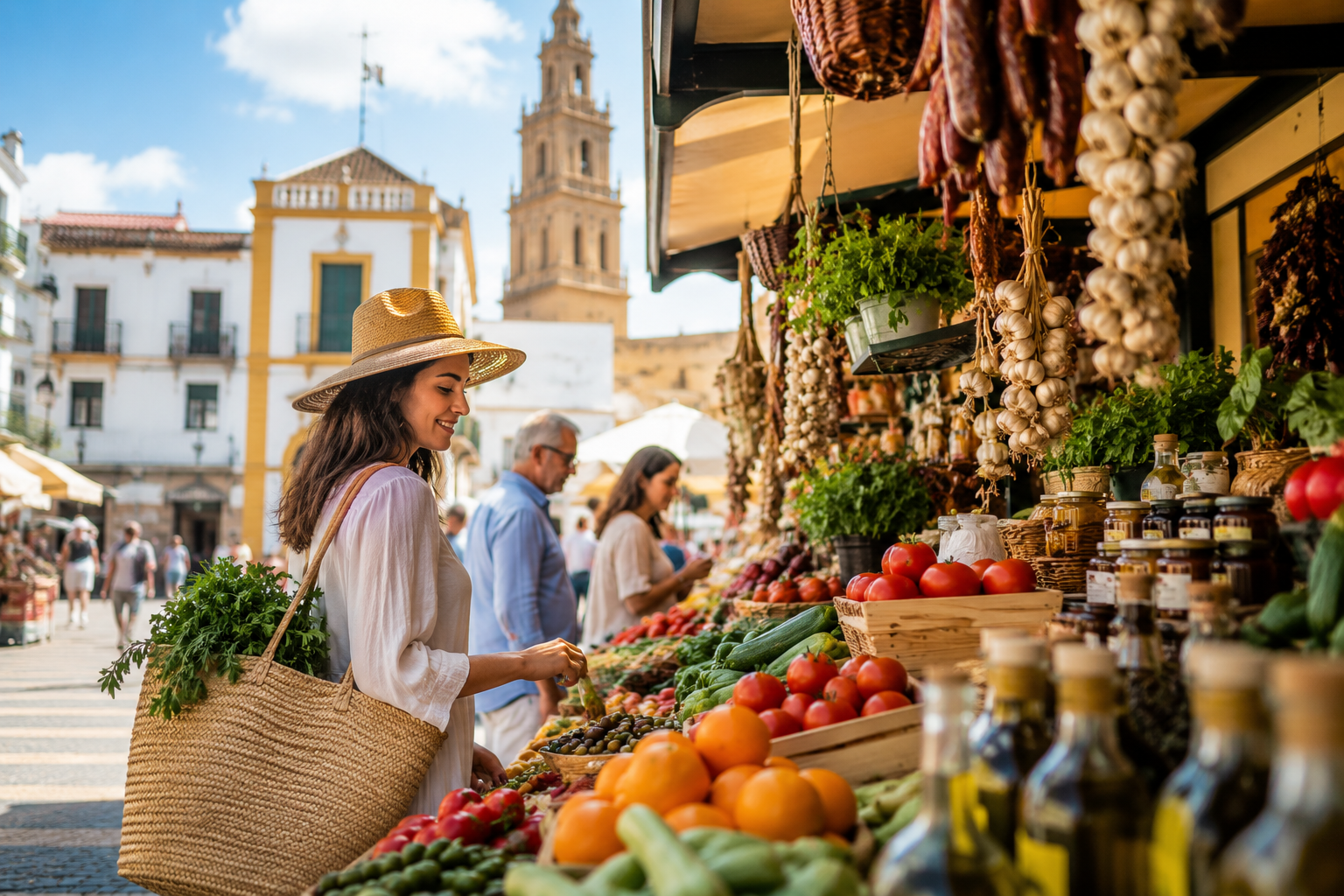
    When you visit Andalusia, one of the most authentic ways to experience the region’s vibrant culture and culinary heritage is by exploring its local markets. These bustling spaces—known as mercados in Spanish—are far more than just places to buy fresh produce. They are living repositories of tradition, community spirit, and gastronomic excellence that have thrived for centuries throughout southern Spain.

    At Sea Suite Spain in Almuñécar, we encourage our guests to venture beyond the beach and immerse themselves in the genuine rhythms of Andalusian life. The local markets offer an unparalleled window into how locals live, eat, and celebrate the bounty of their Mediterranean homeland.

    The Cultural Significance of Andalusian Markets

    Markets in Andalusia represent something deeply rooted in Spanish culture. According to historical records, many of these markets have operated continuously for over 200 years, with some dating back to medieval times. The market tradition in Andalusia is intertwined with the region’s Moorish heritage, Roman influences, and centuries of agricultural development along the Mediterranean coast.

    These markets are gathering places where generations of families have shopped, where vendors greet regular customers by name, and where the rhythm of daily life pulses through narrow aisles lined with colorful stalls. They embody the convivencia—the coexistence and cultural exchange—that defines Andalusian identity.

    Mercado de San Agustín, Granada

    Located in the heart of Granada, the Mercado de San Agustín stands as one of Andalusia’s most iconic markets. Originally constructed in 1872, this stunning iron and glass structure underwent a comprehensive renovation completed in 2015, transforming it into a modern gastronomic hub while preserving its historical character.

    The market spans approximately 1,200 square meters and features over 30 vendors specializing in fresh produce, jamón ibérico (Iberian ham), seafood, and artisanal products. What makes this market particularly special is its upper level, which hosts a contemporary food court where visitors can sample prepared dishes featuring market ingredients.

    When you walk through the Mercado de San Agustín, you’ll encounter:

    • Fresh produce sections featuring Granada’s famous pomegranates (granadas), which give the city its name, alongside seasonal vegetables from the surrounding Vega plain
    • Fish counters displaying Mediterranean catches including boquerones (anchovies), gambas (prawns), and espada (scabbardfish)
    • Jamón and cured meat specialists offering slices of jamón ibérico de bellota, some aged for 36 months or more
    • Artisanal cheese vendors showcasing cheeses from across Andalusia, including the creamy queso de cabra (goat cheese) from the Alpujarra region
    • Olive oil producers selling extra virgin oils from local cooperatives, many with protected designation of origin (D.O.)

    The market operates Monday through Saturday, with peak hours typically between 9 AM and 2 PM, when locals do their daily shopping. The atmosphere during these hours is authentically bustling—vendors calling out their wares, customers haggling over prices, and the aroma of fresh produce and seafood filling the air.

    Mercado de Atarazanas, Málaga

    In Málaga, the Mercado de Atarazanas is a magnificent example of 19th-century market architecture. Built in 1869, this market occupies what was once the site of medieval shipyards (atarazanas means shipyards in Spanish). The market’s distinctive feature is its ornate iron structure and the famous arch entrance decorated with colorful ceramic tiles.

    Spanning over 3,500 square meters, Atarazanas houses approximately 100 vendors and is one of the largest traditional markets in Andalusia. As of 2024, it remains a thriving commercial space where both locals and tourists converge daily.

    The market specializes in:

    • Tropical fruits unique to Málaga’s microclimate, including mangoes, avocados, and custard apples (chirimoyas) that thrive in the region’s benign climate
    • Fresh fish and seafood from daily catches at the nearby port, including espetos (grilled sardines) and langostinos (Norway lobsters)
    • Vegetables from the fertile plains surrounding Málaga
    • Prepared foods and traditional dishes available at market stalls

    Visitors to Atarazanas should arrive early, around 8-9 AM, to experience the market at its most vibrant. The market operates Monday through Saturday, with Sunday hours limited to the morning.

    Mercado de Abastos, Almuñécar

    For guests staying at Sea Suite Spain, the Mercado de Abastos in Almuñécar offers an intimate, local market experience without the tourist crowds of larger cities. This traditional market captures the essence of Costa Tropical commerce and community.

    The Mercado de Abastos specializes in products characteristic of the Costa Tropical region:

    • Tropical fruits including mangoes, avocados, and passion fruit that flourish in Almuñécar’s exceptional microclimate (with average annual temperatures around 18°C and minimal frost)
    • Fresh Mediterranean fish landed at Almuñécar’s working fishing port
    • Local produce from the surrounding agricultural areas
    • Artisanal products from small producers throughout the region

    The market operates daily except Sundays, with the best time to visit being early morning (7-10 AM) when vendors are fully stocked and the market energy is at its peak. Unlike larger markets, Abastos maintains an authentic neighborhood feel, with many vendors knowing regular customers by name and offering recommendations based on what’s freshest that day.

    What to Expect: The Market Experience

    Visiting an Andalusian market is a sensory experience that differs significantly from supermarket shopping. Here’s what you should know:

    Timing and Hours

    Most traditional markets operate Monday through Saturday, with peak hours from 8 AM to 2 PM. Many close on Sunday afternoons and all day Monday in some locations. As of 2024, most markets have adjusted their hours slightly, with some extending evening hours on Thursdays and Fridays.

    Pricing and Payment

    While some vendors now accept card payments, cash remains preferred in many stalls. Prices are often negotiable, particularly if you’re buying multiple items or shopping late in the day when vendors may offer discounts to move inventory.

    Language and Interaction

    Don’t be intimidated by language barriers. Andalusian vendors are accustomed to tourists and appreciate genuine interest in their products. A simple “¿Qué me recomienda?” (What do you recommend?) often leads to engaging conversations and excellent suggestions.

    Seasonal Variations

    Markets change seasonally. Summer brings abundance of stone fruits and tropical fruits. Autumn and winter feature root vegetables, citrus fruits, and hearty ingredients for traditional stews. Spring showcases fresh greens and early vegetables. As of 2024, climate patterns have slightly extended growing seasons, with some tropical fruits now available year-round in southern markets.

    Culinary Treasures to Discover

    Jamón Ibérico

    This premium cured ham comes from black Iberian pigs fed on acorns (bellota). Prices vary based on aging: jamón ibérico de bellota aged 24-36 months can cost €25-40 per 100 grams at market stalls, while younger versions start around €15 per 100 grams.

    Extra Virgin Olive Oil

    Andalusia produces some of the world’s finest olive oil. Look for oils with D.O. (Denominación de Origen) certification from regions like Baena or Priego de Córdoba. Quality extra virgin oils typically range from €8-20 per liter at markets, significantly cheaper than retail shops.

    Fresh Seafood

    Mediterranean fish at markets is often caught that morning. Boquerones (anchovies) cost around €8-12 per kilogram, while larger fish like dorada (gilt-head bream) range from €12-18 per kilogram depending on size and season.

    Artisanal Cheeses

    Andalusian cheeses, particularly goat cheese from the Alpujarra region, offer distinctive flavors. Prices range from €10-25 per kilogram depending on aging and type.

    Tropical Fruits

    In Almuñécar and coastal markets, tropical fruits are remarkably affordable. Mangoes cost €2-4 each, avocados €1-2 each, and chirimoyas (custard apples) €3-5 each during peak season (September through November).

    Planning Your Market Visit

    When staying at Sea Suite Spain in Almuñécar, we recommend:

    1. Visit early: Arrive by 8-9 AM for the best selection and most authentic atmosphere
    2. Bring cash: While cards are increasingly accepted, cash allows for easier negotiation and is preferred by many vendors
    3. Bring reusable bags: Many vendors will bag your purchases, but bringing your own is more sustainable
    4. Ask questions: Vendors love sharing information about their products and how to prepare them
    5. Sample offers: Many vendors offer small tastes—accepting these is a way to engage with the market culture
    6. Visit multiple times: If you’re staying several days, visiting the market on different days shows different inventory and energy

    The Market as Cultural Experience

    Beyond the practical aspect of purchasing fresh ingredients, markets in Andalusia represent something profoundly Spanish: the importance of quality, community, and the ritual of daily life. They’re spaces where time seems to move differently, where efficiency takes a back seat to conversation and connection.

    Our guests at Sea Suite Spain often tell us that visiting local markets was among their most memorable experiences in Andalucía. Standing in the Mercado de Abastos in Almuñécar, watching fishermen’s wives selling the catch their husbands brought in that morning, or tasting jamón ibérico from a vendor who’s been in the same stall for 30 years—these are the experiences that create lasting memories of Spain.

    The benign climate of southern Spain has allowed these markets to flourish for centuries. The abundance of Mediterranean produce, the proximity to fishing ports, and the agricultural richness of inland regions combine to create markets that are genuinely impressive in their variety and quality.

    Conclusion

    Andalusian markets are living museums of culture, commerce, and culinary tradition. Whether you’re visiting the grand iron-and-glass structures of Granada’s Mercado de San Agustín or the intimate neighborhood markets of Almuñécar, you’re participating in a tradition that stretches back centuries.

    These markets offer something that no tourist attraction can replicate: authentic daily life, genuine human interaction, and direct access to the finest ingredients the region produces. They’re places where you can taste the terroir of Andalusia, meet local people, and understand what makes this region special.

    When you visit Andalucía, make time for the markets. Wake up early, bring cash, and let yourself get pleasantly lost in the sights, sounds, and aromas. Your palate—and your understanding of Spanish culture—will be enriched immeasurably.

    References and Bibliography

    Andalusia Tourism Board. (2024). Mercados Tradicionales de Andalucía. Retrieved from https://www.andalucia.org

    Málaga Tourism Office. (2024). Mercado de Atarazanas: Cultural Heritage and Market Information. Retrieved from https://www.malagaturismo.com

    Spanish Ministry of Agriculture, Fisheries and Food. (2023). Agricultural Production in Andalusia 2023. Retrieved from https://www.mapa.gob.es

    Seville Tourism Board. (2024). Triana District Markets and Traditional Commerce. Retrieved from https://www.sevillaturismo.com

  • Mediterranean Gastronomy: Must-Try Dishes of Southern Spain

    Mediterranean Gastronomy: Must-Try Dishes of Southern Spain

    Discover the Flavors of Mediterranean Gastronomy

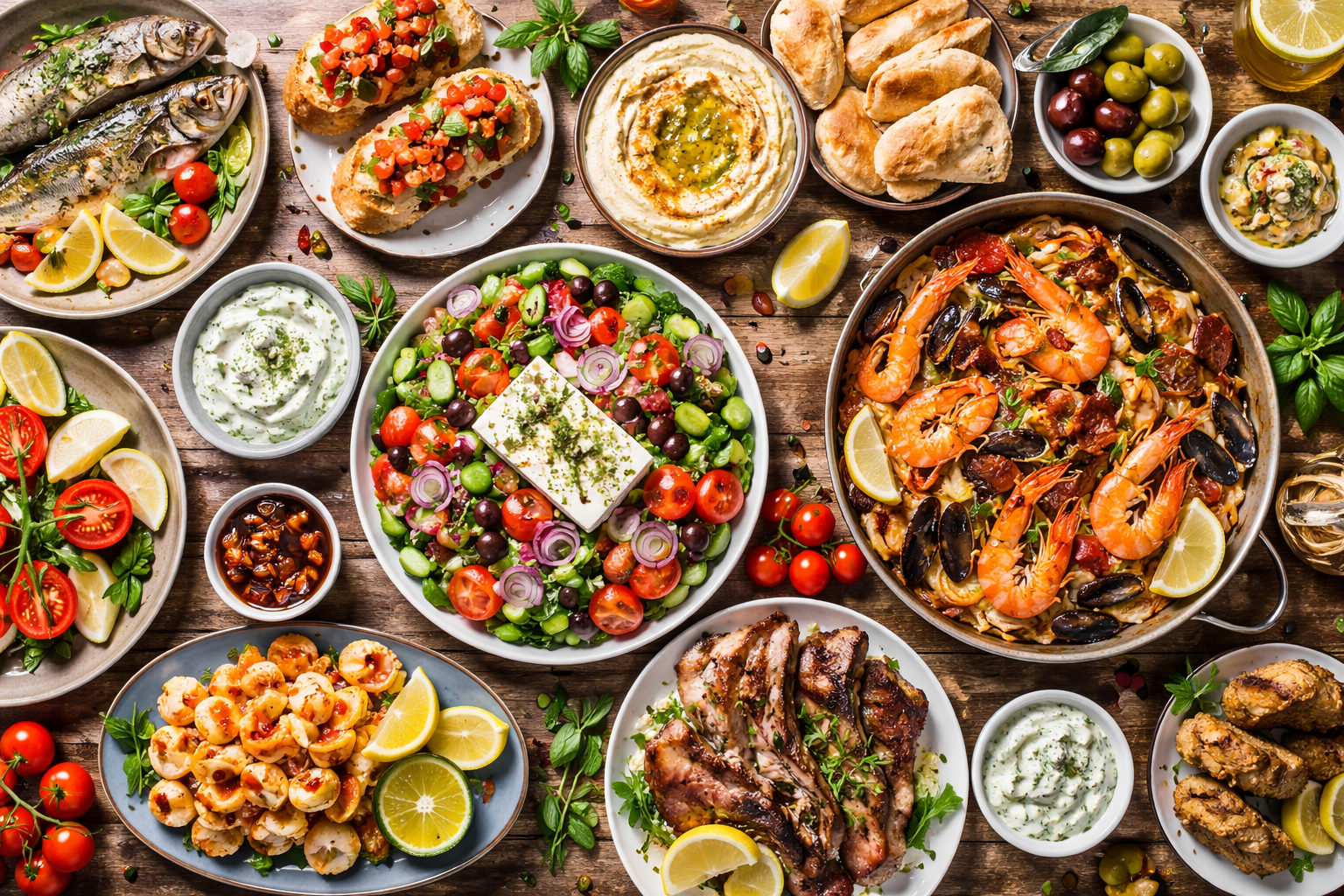
    When you think of Southern Spain, the sun-drenched beaches, vibrant culture, and breathtaking landscapes come to mind. But one of the most delightful experiences that awaits you here is the incredible Mediterranean gastronomy.

    The flavors of Andalucía are a fusion of rich history, local produce, and a passion for the sea. As the owner of Sea Suite Spain in Almuñécar, I have had the pleasure of witnessing our guests’ joy as they explore our culinary traditions. From succulent seafood to refreshing salads, the dishes of the south are sure to captivate your taste buds. Here are some must-try dishes that embody the essence of Mediterranean gastronomy.

    1. Gazpacho

    A quintessential Andalusian dish, gazpacho is a refreshing cold soup made from ripe tomatoes, cucumbers, bell peppers, onions, garlic, and a splash of olive oil. Perfect for a hot summer day, this dish is not only delicious but also healthy. The best part? You can enjoy it with a view of the sea while dining at a local chiringuito (beach bar).

    2. Pescaito Frito

    No visit to Southern Spain would be complete without trying pescaito frito, a delightful mix of small fried fish. This dish is typically served with a sprinkle of sea salt and a wedge of lemon. The crispy texture and fresh flavor make it a favorite among locals and tourists alike. Pair it with a chilled glass of local white wine, and you have a meal that captures the spirit of the Mediterranean.

    3. Paella

    Originating from the Valencia region, paella has become a staple across Spain, especially in coastal areas. In Almuñécar, you can find various types, including seafood paella that features the freshest catches from the Mediterranean. The saffron-infused rice, combined with shrimp, mussels, and calamari, creates a symphony of flavors that will transport you straight to the heart of Spain.

    4. Salmorejo

    Similar to gazpacho but with a creamier texture, salmorejo is another cold tomato soup that is thicker and richer. It is typically garnished with hard-boiled eggs and jamón (Spanish cured ham). This hearty dish is a true reflection of the rustic culinary traditions of Andalucía.

    5. Tapas

    The art of tapas is a culinary experience in itself. These small plates are designed to be shared, showcasing a variety of flavors and textures. From patatas bravas (spicy potatoes) to albondigas (meatballs), the options are endless. Enjoying tapas is not just about the food; it’s about the experience of gathering with friends and family, indulging in great conversations, and savoring every bite.

    6. Chiringuito Specialties

    As you spend your days on the beach, be sure to visit a chiringuito for some local specialties. Besides pescaito frito, many beach bars offer dishes like boquerones en vinagre (anchovies in vinegar) and fried calamari. Eating with your toes in the sand while listening to the waves is an experience you won’t forget.

    7. Flan

    To end your culinary journey, indulge in a slice of flan, a creamy caramel custard dessert that is a favorite among locals. Its smooth texture and sweet flavor make it the perfect way to cap off a delicious meal.

    Conclusion

    Southern Spain’s Mediterranean gastronomy is a celebration of fresh ingredients and bold flavors. Whether you’re enjoying a leisurely lunch by the beach or sharing tapas with friends, the culinary experiences here are sure to create lasting memories. As you explore Almuñécar and beyond, make sure to savor these dishes that truly capture the spirit of Andalucía.

    We invite you to Sea Suite Spain, where you can enjoy these culinary delights while soaking in the stunning views and vibrant atmosphere of our beautiful coast.

    • —

    References

    • Culinaria, (2020). Spanish Cuisine: The Ultimate Guide. Retrieved from Culinaria
    • Spanish Food & Wine, (2021). The Best of Mediterranean Gastronomy. Retrieved from Spanish Food & Wine
    • Andalucía Tourism, (2023). Gastronomy of Southern Spain. Retrieved from Andalucía Tourism
close

Social Media Content removal

Social Media Content will be completely deleted. This process cannot be reversed and cannot be recovered.

Manual Content Generation

error Please enter a title for the post.

Please wait while content is being generated...

Generating Themes...

Please wait while themes are being generated...

Generating Content...

Please wait while content is being generated...

Generating Social Media Content...

Please wait while social media content is being generated...

Generating Test Image...

Please wait while the test image is being generated...

Generating Instagram Image...

Please wait while the Instagram image is being generated...

Guest removal

Guest will be completely deleted. This process cannot be reversed and cannot be recovered.

Accommodation removal

Accommodation will be completely deleted. This process cannot be reversed and cannot be recovered.

Part of traveller removal

Part of traveller will be completely deleted. This process cannot be reversed and cannot be recovered.

Room removal

Room will be completely deleted. This process cannot be reversed and cannot be recovered.

Contract removal

Contract will be completely deleted. This process cannot be reversed and cannot be recovered.

close
  • Español
  • Book Your Stay Today

    Ready to experience the magic of the Mediterranean coast?

    Don't wait—reserve your dream getaway at Sea Suite Cotobro now and discover why our guests call it a "true gem."

    account_circle
    Only letters, numbers and these symbols: !@#$%^&*()_+-=[]{}|;:,.?

    Bot Analysis Tool

    Bot Analysis Tool

    This tool analyzes existing users to identify potential bots based on various patterns and behaviors.

    Analysis Criteria:

    • Suspicious email patterns (sequential, temp emails)
    • Bot-like usernames (user123, test456, etc.)
    • Empty or generic profile data
    • Multiple registrations from same IP
    • Suspicious user agent strings
    • No activity since registration

    Warning: This analysis is based on patterns and may produce false positives. Always review results carefully before taking action.