
Author: Sea Suite Spain

  • Local Markets in Andalusia: Authentic Flavors

    Local Markets in Andalusia: Authentic Flavors

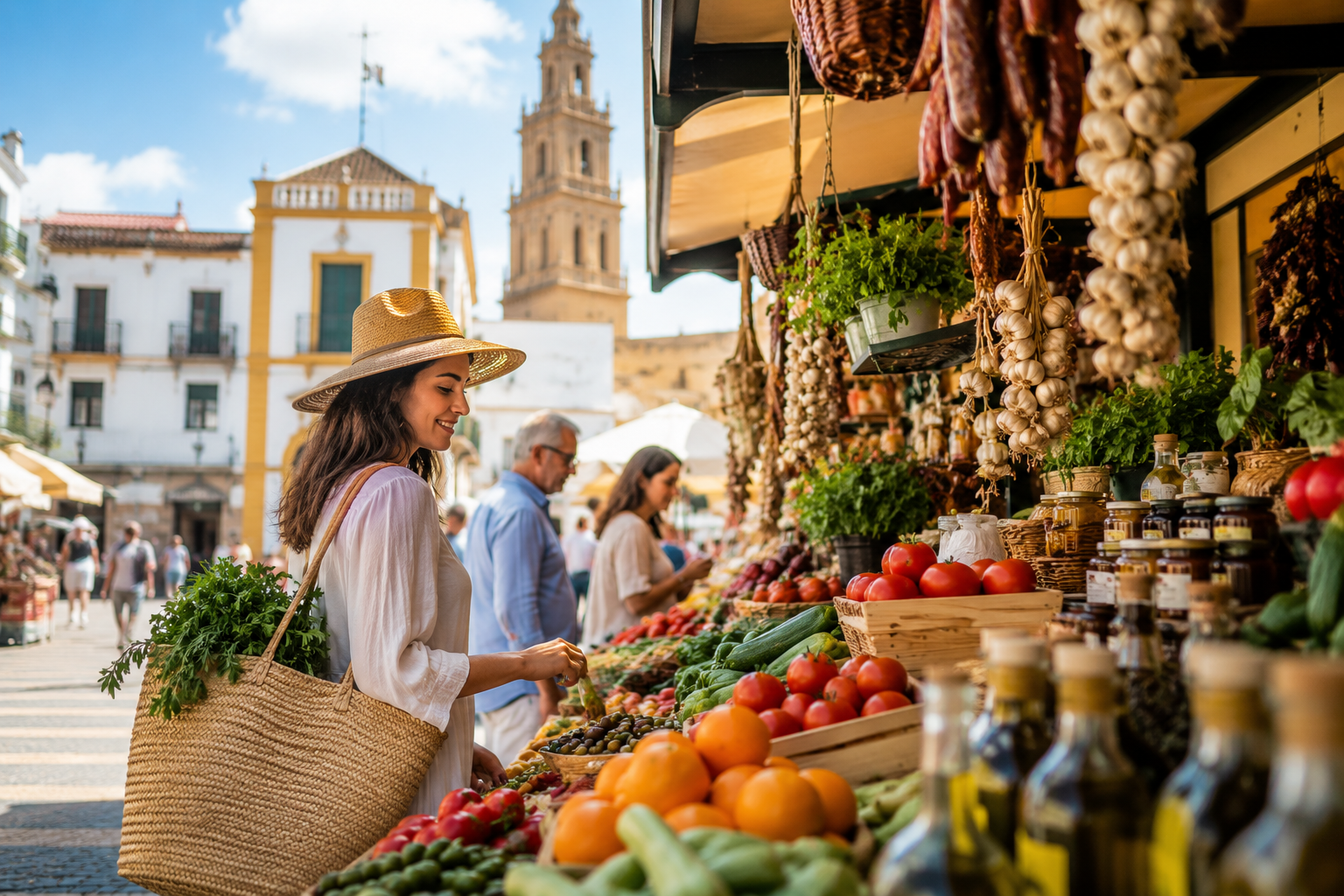
    When you visit Andalusia, one of the most authentic ways to experience the region’s vibrant culture and culinary heritage is by exploring its local markets. These bustling spaces—known as mercados in Spanish—are far more than just places to buy fresh produce. They are living repositories of tradition, community spirit, and gastronomic excellence that have thrived for centuries throughout southern Spain.

    At Sea Suite Spain in Almuñécar, we encourage our guests to venture beyond the beach and immerse themselves in the genuine rhythms of Andalusian life. The local markets offer an unparalleled window into how locals live, eat, and celebrate the bounty of their Mediterranean homeland.

    The Cultural Significance of Andalusian Markets

    Markets in Andalusia represent something deeply rooted in Spanish culture. According to historical records, many of these markets have operated continuously for over 200 years, with some dating back to medieval times. The market tradition in Andalusia is intertwined with the region’s Moorish heritage, Roman influences, and centuries of agricultural development along the Mediterranean coast.

    These markets are gathering places where generations of families have shopped, where vendors greet regular customers by name, and where the rhythm of daily life pulses through narrow aisles lined with colorful stalls. They embody the convivencia—the coexistence and cultural exchange—that defines Andalusian identity.

    Mercado de San Agustín, Granada

    Located in the heart of Granada, the Mercado de San Agustín stands as one of Andalusia’s most iconic markets. Originally constructed in 1872, this stunning iron and glass structure underwent a comprehensive renovation completed in 2015, transforming it into a modern gastronomic hub while preserving its historical character.

    The market spans approximately 1,200 square meters and features over 30 vendors specializing in fresh produce, jamón ibérico (Iberian ham), seafood, and artisanal products. What makes this market particularly special is its upper level, which hosts a contemporary food court where visitors can sample prepared dishes featuring market ingredients.

    When you walk through the Mercado de San Agustín, you’ll encounter:

    • Fresh produce sections featuring Granada’s famous pomegranates (granadas), which give the city its name, alongside seasonal vegetables from the surrounding Vega plain
    • Fish counters displaying Mediterranean catches including boquerones (anchovies), gambas (prawns), and espada (scabbardfish)
    • Jamón and cured meat specialists offering slices of jamón ibérico de bellota, some aged for 36 months or more
    • Artisanal cheese vendors showcasing cheeses from across Andalusia, including the creamy queso de cabra (goat cheese) from the Alpujarra region
    • Olive oil producers selling extra virgin oils from local cooperatives, many with protected designation of origin (D.O.)

    The market operates Monday through Saturday, with peak hours typically between 9 AM and 2 PM, when locals do their daily shopping. The atmosphere during these hours is authentically bustling—vendors calling out their wares, customers haggling over prices, and the aroma of fresh produce and seafood filling the air.

    Mercado de Atarazanas, Málaga

    In Málaga, the Mercado de Atarazanas is a magnificent example of 19th-century market architecture. Built in 1869, this market occupies what was once the site of medieval shipyards (atarazanas means shipyards in Spanish). The market’s distinctive feature is its ornate iron structure and the famous arch entrance decorated with colorful ceramic tiles.

    Spanning over 3,500 square meters, Atarazanas houses approximately 100 vendors and is one of the largest traditional markets in Andalusia. As of 2024, it remains a thriving commercial space where both locals and tourists converge daily.

    The market specializes in:

    • Tropical fruits unique to Málaga’s microclimate, including mangoes, avocados, and custard apples (chirimoyas) that thrive in the region’s benign climate
    • Fresh fish and seafood from daily catches at the nearby port, including espetos (grilled sardines) and langostinos (Norway lobsters)
    • Vegetables from the fertile plains surrounding Málaga
    • Prepared foods and traditional dishes available at market stalls

    Visitors to Atarazanas should arrive early, around 8-9 AM, to experience the market at its most vibrant. The market operates Monday through Saturday, with Sunday hours limited to the morning.

    Mercado de Abastos, Almuñécar

    For guests staying at Sea Suite Spain, the Mercado de Abastos in Almuñécar offers an intimate, local market experience without the tourist crowds of larger cities. This traditional market captures the essence of Costa Tropical commerce and community.

    The Mercado de Abastos specializes in products characteristic of the Costa Tropical region:

    • Tropical fruits including mangoes, avocados, and passion fruit that flourish in Almuñécar’s exceptional microclimate (with average annual temperatures around 18°C and minimal frost)
    • Fresh Mediterranean fish landed at Almuñécar’s working fishing port
    • Local produce from the surrounding agricultural areas
    • Artisanal products from small producers throughout the region

    The market operates daily except Sundays, with the best time to visit being early morning (7-10 AM) when vendors are fully stocked and the market energy is at its peak. Unlike larger markets, Abastos maintains an authentic neighborhood feel, with many vendors knowing regular customers by name and offering recommendations based on what’s freshest that day.

    What to Expect: The Market Experience

    Visiting an Andalusian market is a sensory experience that differs significantly from supermarket shopping. Here’s what you should know:

    Timing and Hours

    Most traditional markets operate Monday through Saturday, with peak hours from 8 AM to 2 PM. Many close on Sunday afternoons and all day Monday in some locations. As of 2024, most markets have adjusted their hours slightly, with some extending evening hours on Thursdays and Fridays.

    Pricing and Payment

    While some vendors now accept card payments, cash remains preferred in many stalls. Prices are often negotiable, particularly if you’re buying multiple items or shopping late in the day when vendors may offer discounts to move inventory.

    Language and Interaction

    Don’t be intimidated by language barriers. Andalusian vendors are accustomed to tourists and appreciate genuine interest in their products. A simple “¿Qué me recomienda?” (What do you recommend?) often leads to engaging conversations and excellent suggestions.

    Seasonal Variations

    Markets change seasonally. Summer brings abundance of stone fruits and tropical fruits. Autumn and winter feature root vegetables, citrus fruits, and hearty ingredients for traditional stews. Spring showcases fresh greens and early vegetables. As of 2024, climate patterns have slightly extended growing seasons, with some tropical fruits now available year-round in southern markets.

    Culinary Treasures to Discover

    Jamón Ibérico

    This premium cured ham comes from black Iberian pigs fed on acorns (bellota). Prices vary based on aging: jamón ibérico de bellota aged 24-36 months can cost €25-40 per 100 grams at market stalls, while younger versions start around €15 per 100 grams.

    Extra Virgin Olive Oil

    Andalusia produces some of the world’s finest olive oil. Look for oils with D.O. (Denominación de Origen) certification from regions like Baena or Priego de Córdoba. Quality extra virgin oils typically range from €8-20 per liter at markets, significantly cheaper than retail shops.

    Fresh Seafood

    Mediterranean fish at markets is often caught that morning. Boquerones (anchovies) cost around €8-12 per kilogram, while larger fish like dorada (gilt-head bream) range from €12-18 per kilogram depending on size and season.

    Artisanal Cheeses

    Andalusian cheeses, particularly goat cheese from the Alpujarra region, offer distinctive flavors. Prices range from €10-25 per kilogram depending on aging and type.

    Tropical Fruits

    In Almuñécar and coastal markets, tropical fruits are remarkably affordable. Mangoes cost €2-4 each, avocados €1-2 each, and chirimoyas (custard apples) €3-5 each during peak season (September through November).

    Planning Your Market Visit

    When staying at Sea Suite Spain in Almuñécar, we recommend:

    1. Visit early: Arrive by 8-9 AM for the best selection and most authentic atmosphere
    2. Bring cash: While cards are increasingly accepted, cash allows for easier negotiation and is preferred by many vendors
    3. Bring reusable bags: Many vendors will bag your purchases, but bringing your own is more sustainable
    4. Ask questions: Vendors love sharing information about their products and how to prepare them
    5. Sample offers: Many vendors offer small tastes—accepting these is a way to engage with the market culture
    6. Visit multiple times: If you’re staying several days, visiting the market on different days shows different inventory and energy

    The Market as Cultural Experience

    Beyond the practical aspect of purchasing fresh ingredients, markets in Andalusia represent something profoundly Spanish: the importance of quality, community, and the ritual of daily life. They’re spaces where time seems to move differently, where efficiency takes a back seat to conversation and connection.

    Our guests at Sea Suite Spain often tell us that visiting local markets was among their most memorable experiences in Andalucía. Standing in the Mercado de Abastos in Almuñécar, watching fishermen’s wives selling the catch their husbands brought in that morning, or tasting jamón ibérico from a vendor who’s been in the same stall for 30 years—these are the experiences that create lasting memories of Spain.

    The benign climate of southern Spain has allowed these markets to flourish for centuries. The abundance of Mediterranean produce, the proximity to fishing ports, and the agricultural richness of inland regions combine to create markets that are genuinely impressive in their variety and quality.

    Conclusion

    Andalusian markets are living museums of culture, commerce, and culinary tradition. Whether you’re visiting the grand iron-and-glass structures of Granada’s Mercado de San Agustín or the intimate neighborhood markets of Almuñécar, you’re participating in a tradition that stretches back centuries.

    These markets offer something that no tourist attraction can replicate: authentic daily life, genuine human interaction, and direct access to the finest ingredients the region produces. They’re places where you can taste the terroir of Andalusia, meet local people, and understand what makes this region special.

    When you visit Andalucía, make time for the markets. Wake up early, bring cash, and let yourself get pleasantly lost in the sights, sounds, and aromas. Your palate—and your understanding of Spanish culture—will be enriched immeasurably.

    References and Bibliography

    Andalusia Tourism Board. (2024). Mercados Tradicionales de Andalucía. Retrieved from https://www.andalucia.org

    Málaga Tourism Office. (2024). Mercado de Atarazanas: Cultural Heritage and Market Information. Retrieved from https://www.malagaturismo.com

    Spanish Ministry of Agriculture, Fisheries and Food. (2023). Agricultural Production in Andalusia 2023. Retrieved from https://www.mapa.gob.es

    Seville Tourism Board. (2024). Triana District Markets and Traditional Commerce. Retrieved from https://www.sevillaturismo.com

  • Ecotourism Activities in Southern Spain You Must Try

    Ecotourism Activities in Southern Spain You Must Try

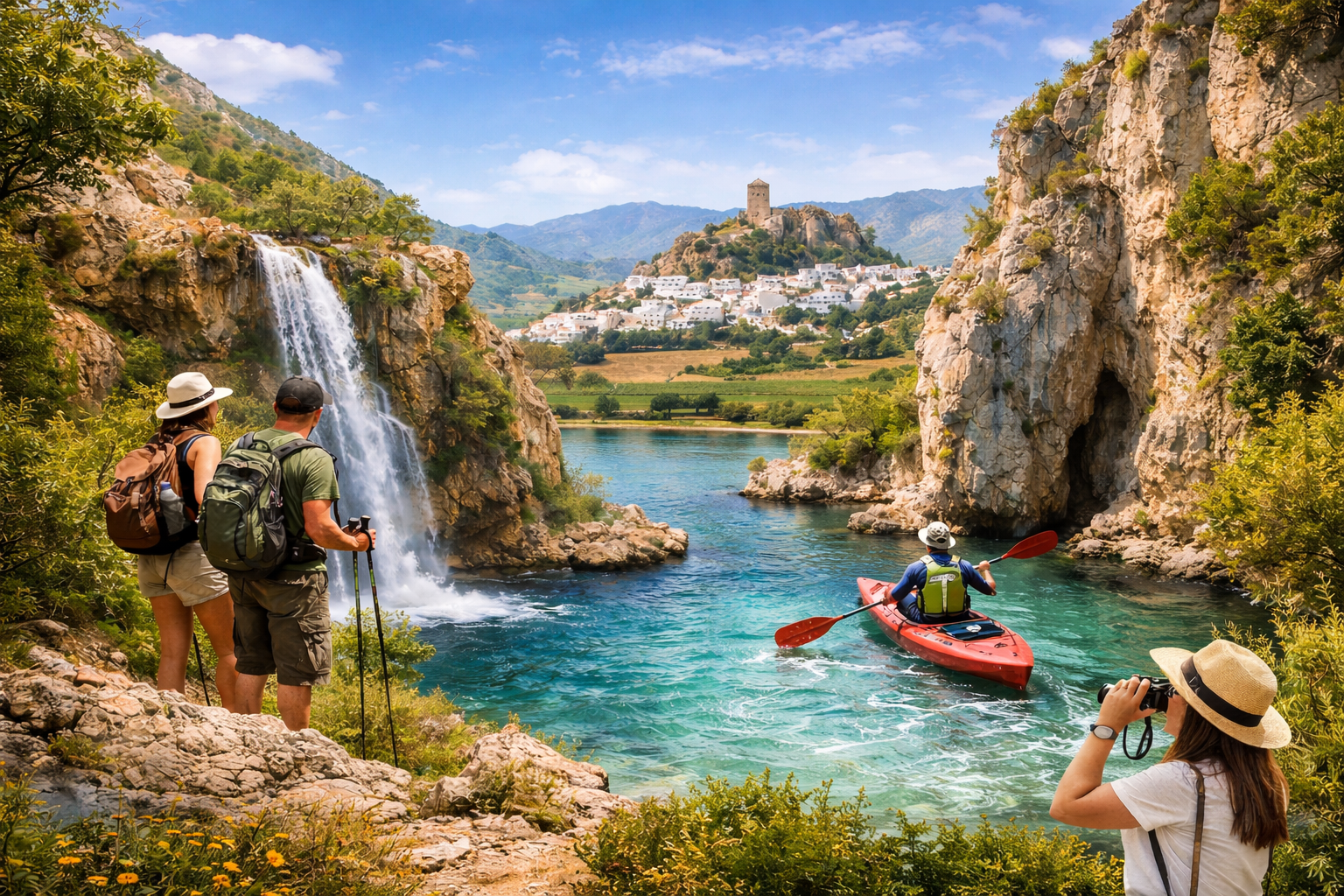
    Southern Spain, particularly the beautiful region of Andalusia, is a haven for ecotourism enthusiasts. With its stunning landscapes, diverse wildlife, and rich cultural heritage, it offers countless opportunities for sustainable travel experiences. From birdwatching in nature reserves to participating in organic farming, let’s dive into the ecotourism activities that can enrich your stay in this picturesque corner of the Mediterranean.

    1. Birdwatching in Andalusia

    Andalusia is home to some of the most important birdwatching sites in Europe, making it a paradise for avian enthusiasts. The region’s varied ecosystems, including wetlands, mountains, and coastal areas, provide habitat for over 500 bird species. Key locations include:

    • Doñana National Park: This UNESCO World Heritage site is one of the most significant wetlands in Europe and a crucial breeding ground for species like the Spanish Imperial Eagle and the Black Stork. The park covers 543 square kilometers and attracts birdwatchers year-round, especially during migration seasons in spring and autumn.
    • Cabo de Gata-Níjar Natural Park: Known for its dramatic landscapes and unique flora and fauna, this coastal park is a hotspot for observing species such as the Audouin’s Gull and the Lesser Kestrel. Birdwatching tours are available, allowing visitors to learn from local experts while enjoying the stunning scenery.
    • Laguna de Fuente de Piedra: This saline lagoon is famous for its large population of flamingos. Each spring, thousands of these elegant birds congregate here to breed, creating a breathtaking spectacle that draws photographers and nature lovers alike.

    2. Sustainable Hiking Trails

    Hiking in Andalusia offers an exceptional way to explore its natural beauty while minimizing your environmental footprint. Here are some recommended trails:

    • Sierra de Grazalema Natural Park: This biosphere reserve features a network of hiking trails that wind through lush forests and dramatic limestone cliffs. The park is home to the endangered Spanish Fir and a variety of wildlife, including the elusive Iberian Lynx. Trails range from easy walks to challenging hikes, catering to all fitness levels.
    • El Torcal de Antequera: Known for its unique karst formations, El Torcal offers several marked trails that allow visitors to appreciate its geological wonders while spotting endemic species. The park is particularly famous for its diverse flora, including orchids and rare plants.
    • Caminito del Rey: Once known as the world’s most dangerous walkway, this restored trail now offers a safe yet thrilling hiking experience along the cliffs of the Guadalhorce River Gorge. The breathtaking views and the surrounding natural environment make it a must-visit for hikers.

    3. Agricultural Tourism: Experience the Farm Life

    Participating in agricultural tourism is a fantastic way to connect with Andalusia’s rich agricultural heritage and support local farmers. Here are some activities you might consider:

    • Olive Oil Tours: Andalusia is the world’s leading producer of olive oil, and many estates offer guided tours where visitors can learn about traditional olive oil production methods. You can participate in tastings, where you’ll discover the different varieties and flavors of this liquid gold. Areas like Jaén, known as the “Olive Oil Capital of the World,” are particularly famous for these tours.
    • Organic Farming Workshops: Join a local farm to learn about sustainable farming practices. Many farms in the region offer workshops where you can get your hands dirty, planting vegetables and herbs, and understanding the importance of organic farming. This experience provides insight into food production while promoting environmental sustainability.
    • Vineyard Tours and Wine Tastings: Explore the vineyards of Andalusia, particularly in the Jerez and Montilla-Moriles regions, known for their rich wine culture. Many wineries offer tours that include a walk through the vineyards, an overview of the winemaking process, and tastings of local wines, often accompanied by traditional tapas.

    Marine Conservation Activities

    With its extensive coastline, Andalusia offers ample opportunities for marine conservation activities that promote the protection of its rich marine biodiversity.

    • Diving and Snorkeling: The waters of the Mediterranean teem with life, and many ecotourism operators offer diving and snorkeling excursions that allow people to explore underwater ecosystems while emphasizing the importance of marine conservation. Popular dive sites include the waters surrounding the Alboran Sea and Cabo de Gata, where divers can observe coral reefs, schools of fish, and even shipwrecks.
    • Beach Clean-Up Initiatives: Participate in local beach clean-up events organized by community groups and environmental organizations. These initiatives not only help keep beaches clean but also foster a sense of community and awareness about the importance of keeping our oceans clean.
    • Marine Wildlife Watching: Join eco-friendly boat tours that focus on observing marine wildlife, such as dolphins and whales, in their natural habitats. These excursions often promote responsible wildlife viewing practices and educate participants about species and their conservation status.

    Conclusion

    Andalusia offers a plethora of ecotourism activities that allow visitors to immerse themselves in the region’s natural beauty while promoting sustainability. Whether birdwatching in a national park, hiking along breathtaking trails, participating in farm tours, or getting involved in marine conservation, there are endless opportunities to explore and appreciate the rich biodiversity of southern Spain. Embrace the opportunity to experience this vibrant region responsibly, ensuring that its natural wonders can be enjoyed by future generations.

    References

  • The Ultimate Guide to Naturist Beaches on Costa del Sol

    The Ultimate Guide to Naturist Beaches on Costa del Sol

    The Costa del Sol, a stunning stretch of coastline in southern Spain, is renowned for its golden beaches, vibrant culture, and breathtaking landscapes. Among the many activities that draw visitors to this picturesque region are naturist beaches, where sun worshippers can enjoy the sun and sea in a liberating and natural setting. This guide will explore some of the best naturist beaches along the Costa del Sol, along with essential information regarding locations, available services, and practical tips for a pleasant experience.

    What is Naturism?

    Naturism, also known as nudism, is a lifestyle that promotes social nudity, primarily in outdoor spaces. It is grounded in respect for nature and oneself, encouraging a sense of freedom and body positivity. The philosophy behind naturism is to embrace one’s body as it is, fostering acceptance and inclusivity.

    1. Playa de la Victoria, Cádiz

    Location

    Playa de la Victoria is located in the city of Cádiz, about 100 kilometers from Málaga. This urban beach stretches for nearly 3 kilometers and is easily accessible by public transport.

    Amenities

    The beach is well-equipped with various amenities, including showers, beach bars (known as chiringuitos), and sunbeds for rent. There are also lifeguard services during the summer months, ensuring safety for all beachgoers.

    Experience

    Playa de la Victoria is known for its vibrant atmosphere and beautiful sunsets. The welcoming naturist area is at the far end of the beach, providing a more tranquil environment for those seeking a more secluded experience.

    2. Playa de Bolonia, Tarifa

    Location

    Situated near Tarifa, about 130 kilometers from Málaga, Playa de Bolonia is famed for its soft sands and crystal-clear waters. This beach is surrounded by natural dunes and is part of a protected area, making it a stunning choice for naturist sunbathing.

    Amenities

    While the beach is relatively undeveloped, there are a few beach bars offering refreshments. Visitors can also find parking nearby, though it can fill up quickly during peak season.

    Experience

    Bolonia is an ideal spot for those who appreciate nature. The beach is not only beautiful but also offers opportunities for water sports such as windsurfing and kitesurfing, thanks to the strong winds in the area. The nearby Roman ruins add a unique historical element to your beach day.

    3. Playa de Maro, Nerja

    Location

    About 60 kilometers east of Málaga, Playa de Maro is a small beach located near the town of Nerja. This hidden gem is often considered one of the most beautiful beaches in Spain, thanks to its stunning cliffs and clear waters.

    Amenities

    Although Playa de Maro is more secluded, there are limited amenities available, including a small beach bar. Visitors should come prepared with supplies for a day at the beach, as the closest shops are a short drive away.

    Experience

    The beach is popular among naturists due to its tranquil atmosphere and breathtaking views. Snorkeling is a must here, as the clear waters are home to various marine life, making it a perfect spot for underwater exploration.

    4. Playa de Cabopino, Marbella

    Location

    Located just east of Marbella, Playa de Cabopino is known for its soft sands and picturesque dunes. This beach is about 45 kilometers from Málaga and is easily accessible by car.

    Amenities

    Cabopino offers a variety of amenities, including showers, sunbed rentals, and several chiringuitos serving delicious local cuisine. There is also ample parking available nearby.

    Experience

    The naturist area is located at the far end of the beach, providing a more relaxed atmosphere away from the busier sections. The beach is also known for its charming marina, where visitors can enjoy a stroll or a meal overlooking the water.

    5. Playa Nudista de El Playazo, Almería

    Location

    El Playazo beach is located in Almería, approximately 150 kilometers from Málaga. This beach is part of the Cabo de Gata-Níjar Natural Park, a stunning area known for its dramatic landscapes and diverse ecosystems.

    Amenities

    El Playazo is a more rustic option, with limited services. Visitors should bring their own supplies, including food and water, as there are no beach bars on-site. However, the natural beauty of the area makes the lack of amenities less significant.

    Experience

    The beach is renowned for its stunning natural surroundings and is popular among naturists seeking peace and solitude. The clear waters are perfect for swimming, and the surrounding cliffs offer scenic hiking opportunities.

    Tips for Enjoying Naturist Beaches

    1. Respect Others: Naturism is about freedom and respect. Be mindful of others’ personal space and avoid taking photos without permission. 2. Bring Essentials: Since some naturist beaches may have limited amenities, pack sunscreen, water, snacks, and a beach umbrella for shade. 3. Practice Sun Safety: Apply sunscreen generously and frequently, especially in sensitive areas that are not usually exposed to the sun. 4. Know the Rules: Familiarize yourself with the beach’s specific naturist regulations, as some areas may have designated naturist sections. 5. Stay Hydrated: The Mediterranean sun can be intense, especially during summer months. Ensure you drink enough water throughout the day.

    Conclusion

    The Costa del Sol offers a diverse range of naturist beaches, each with its unique charm and atmosphere. Whether you’re a seasoned naturist or a curious newcomer, there is something for everyone along this beautiful coastline. Embrace the sun, sand, and sea while enjoying the liberating experience that naturist beaches provide. Remember to respect nature and fellow beachgoers, ensuring that everyone can enjoy these stunning locations to the fullest.

    References

    • Naturism: The Philosophy of Social Nudity. (n.d.). Retrieved from Naturist Society
    • Beach Information: Playa de la Victoria. (n.d.). Retrieved from Cádiz Tourism
    • Nerja Beaches Overview. (n.d.). Retrieved from Nerja Tourism
    • Playa de Cabopino: A Hidden Gem. (2021). Retrieved from Marbella Tourism
  • Exploring the Wine Culture of Andalusia: A complete Guide for travellers

    Exploring the Wine Culture of Andalusia: A complete Guide for travellers

    Andalusia, the sun-kissed region in southern Spain, is not just renowned for its stunning beaches and vibrant flamenco; it also boasts a rich and diverse wine culture that deserves exploration. With a history that dates back thousands of years, the wine produced in this area is a blend of tradition, innovation, and an extraordinary commitment to quality. In this blog post, we will delve into the fascinating world of Andalusian wines, highlighting notable wineries, local grape varieties, and valuable tips for wine tasting.

    The Historical Significance of Wine in Andalusia

    Wine production in Andalusia dates back to the Phoenicians, around 800 BC. The region’s unique climate and fertile soils allowed for diverse grape varieties to flourish. During the Roman Empire, Andalusian wines were celebrated across Europe, and the region became a critical part of the trade routes.

    One of the most celebrated wines from this region is Sherry, a fortified wine that originates from the Jerez de la Frontera area. Sherry production can be traced back to the 16th century, and today, it remains an integral part of Andalusian culture, often enjoyed with tapas or during traditional festivities.

    Key Wine Regions in Andalusia

    Andalusia is divided into several wine regions, each with its unique characteristics and specialties:

    1. Jerez: Known for its Sherry wines, Jerez is perhaps the most famous wine-producing area in Andalusia. The region’s unique solera system, which blends different vintages, creates a variety of Sherry styles from dry to sweet. Notable producers include Bodegas González Byass and Bodegas Lustau. – Did You Know? Sherry is often served chilled and can be paired with a variety of foods, including seafood, nuts, and cheeses.

    2. Montilla-Moriles: Located near Córdoba, this region is celebrated for its rich, full-bodied wines made primarily from the Pedro Ximénez grape. These wines often have a sweet profile and are perfect for dessert pairings. Bodegas Alvear is a notable producer you should visit. – Statistical Insight: Montilla-Moriles produces over 28 million liters of wine annually, including both fortified and table wines.

    3. Málaga: This region is known for its sweet wines, particularly those made from the Muscat grape. Málaga wines have been enjoyed since ancient times, and they continue to be a treasured part of local gastronomy. Bodegas Jorge Ordóñez is one of the prominent names in this area. – Cultural Note: Málaga wines were historically shipped to England, where they were highly sought after in the past.

    4. Sierras de Málaga: This mountainous area produces high-quality red and white wines, thanks to its diverse microclimates. It’s known for varieties like Tempranillo and Chardonnay. Bodegas La Melonera is a must-visit for anyone interested in this region.

    Types of Wines to Try in Andalusia

    When visiting Andalusia, it’s essential to try a range of wines that showcase the region’s diversity:

    • Fino Sherry: A dry, pale version of Sherry, perfect as an aperitif.
    • Amontillado: A richer, nuttier Sherry that pairs well with a variety of dishes.
    • Pedro Ximénez: A sweet, syrupy wine that is excellent for dessert.
    • Málaga sweet wines: These wines offer flavors of dried fruits and nuts, making them a delightful treat.
    • Red and White Table Wines: Don’t overlook the high-quality table wines produced in Sierras de Málaga and Montilla-Moriles.

    Wine Tasting Experiences in Andalusia

    Wine tasting is an extraordinary way to immerse yourself in the local culture, and many bodegas offer guided tours and tastings. Here are a few recommendations: 1. Bodega González Byass (Jerez): Famous for Tío Pepe, this bodega offers guided tours that take you through the history of Sherry production, ending with a tasting session of various Sherry styles. 2. Bodega Alvear (Montilla): This family-owned bodega offers a unique opportunity to explore the history of Montilla wines, with tastings of their aged Pedro Ximénez. 3. Bodega Jorge Ordóñez (Málaga): You can experience exquisite sweet wines at this bodega, which provides detailed insights into the wine-making process. 4. Bodegas La Melonera (Sierras de Málaga): Engage in a tasting of wines produced in this mountainous region, often accompanied by local cheeses and charcuterie.

    Tips for Your Wine Tasting Experience

    To make the most of your wine-tasting journey in Andalusia, consider the following tips:

    • Book in Advance: Particularly during the high tourist season, it’s advisable to book your tours in advance.
    • Pair with Local Cuisine: Enhance your tasting experience by pairing wines with local dishes such as jamón ibérico, cheese, and olives. Many bodegas offer food pairings during tastings.
    • Ask Questions: Don’t hesitate to ask the staff about the wine-making process, grape varieties, and the history of the bodega. Their passion for wine is often contagious!
    • Stay Hydrated: Ensure you drink water throughout the day, especially if you’re visiting multiple bodegas.
    • Transportation: Consider hiring a driver or joining a guided tour if you plan to visit multiple wineries in one day.

    Conclusion

    Exploring the wine culture of Andalusia is not just about sipping exquisite wines; it’s about experiencing the rich history, traditions, and local flavors that come from this beautiful region. Whether you’re a seasoned wine enthusiast or a curious novice, the wineries of Andalusia offer an unforgettable journey through taste and heritage. So, when you plan your next visit to Sea Suite Spain, take the time to discover the enchanting world of Andalusian wines. Cheers!

    References

    • Anderson, E. (2011). The Wine Atlas of Spain. University of California Press.
    • González Byass. (n.d.). History of González Byass. Retrieved from gonzalezbyass.com
    • Alvear, Bodegas. (n.d.). Bodegas Alvear History. Retrieved from alvear.com
    • Jorge Ordóñez. (n.d.). Wines of Málaga. Retrieved from jorgeordonez.com
    • Sierras de Málaga. (n.d.). Wine Tourism in Sierras de Málaga. Retrieved from sierrasdemalaga.com
  • Traditional Festivals in Southern Spain: A Cultural Journey

    Traditional Festivals in Southern Spain: A Cultural Journey

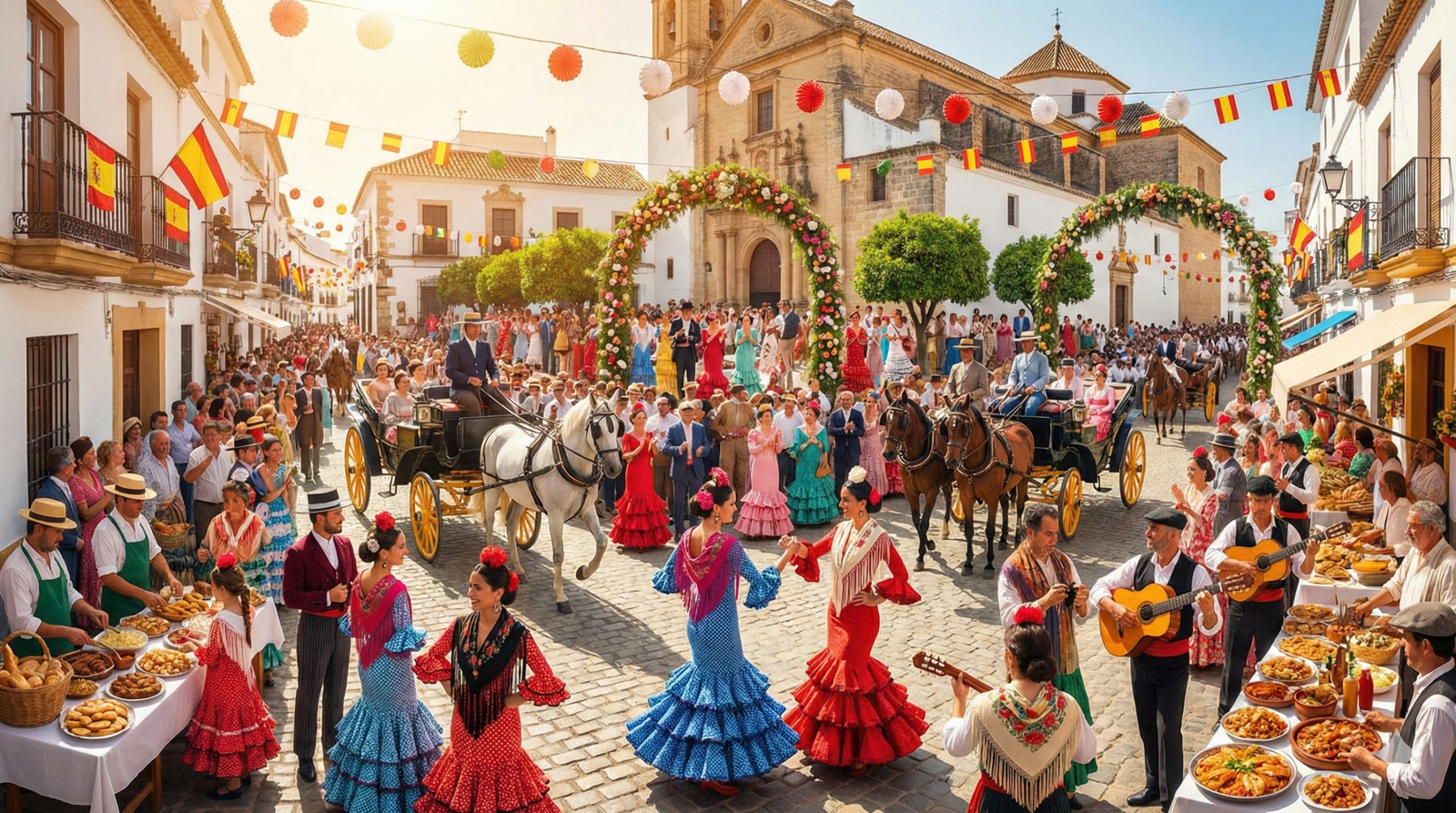
    Southern Spain is a vibrant tapestry of culture, history, and tradition, where festivals play a pivotal role in the local lifestyle. From the lively streets of Seville during the Feria de Abril to the mesmerizing bonfires of the Hogueras de San Juan in Alicante, the region is a celebration of life, color, and community. In this blog post, we will explore some of the most emblematic festivals in Southern Spain, their historical significance, and the unique experiences they offer.

    Feria de Abril (April Fair) – Seville

    One of the most famous festivals in Southern Spain is the Feria de Abril, held in Seville. This week-long event typically takes place two weeks after Easter, usually in late April or early May. The festival dates back to 1847 when it started as a livestock fair. Today, it has evolved into a grand celebration of Andalusian culture, drawing locals and tourists alike.

    Activities and Highlights

    The Feria de Abril is characterized by its colorful casetas (tents), where families and friends gather to enjoy traditional food, music, and dance. One of the festival’s highlights is the flamenco performances, showcasing the passionate art form that embodies the spirit of Andalusia. Visitors can indulge in local delicacies liketortilla de patatas, jamón ibérico, and refreshingrebujito, a mix of sherry and lemonade.

    The festival also features a spectacular parade of horse carriages, where elegantly dressed riders display Andalusian horses. With an average attendance of around 1.5 million people every year, the Feria de Abril is a feast for the senses and an essential part of Southern Spain’s cultural calendar.

    Las Hogueras de San Juan – Alicante

    Celebrated on the night of June 24th, Las Hogueras de San Juan in Alicante is a unique festival that marks the arrival of summer. This tradition is deeply rooted in ancient rituals aimed at purifying the soul and celebrating the sun’s return.

    Activities and Highlights

    The festivities begin with the plantà, where enormous wooden sculptures, known as hogueras, are erected throughout the city. These sculptures often depict satirical scenes and characters, reflecting current events and political issues. On the night of the festival, a grand bonfire is lit, and the hogueras are burned in a spectacular display of fire and fireworks, symbolizing the cleansing of the past.

    In addition to the hogueras, the festival features live music, parades, and traditional dances. The atmosphere is electric, with locals dressed in traditional attire enjoying the vibrant celebrations. The event attracts around 1 million visitors each year, making it one of the most significant festivals in Alicante.

    La Semana Santa (Holy Week) – Andalucía

    Another monumental festival in Southern Spain is La Semana Santa, or Holy Week, which takes place the week leading up to Easter. This week-long observance is celebrated in various cities across Andalucía, with each region showcasing its unique traditions and processions.

    Activities and Highlights

    The processions are the heart of La Semana Santa, featuring religious brotherhoods parading through the streets with ornate floats, known as pasos, depicting scenes from the Passion of Christ. The city of Seville is particularly famous for its elaborate processions, with theHermandad del Gran Poder being one of the most iconic.

    The atmosphere during La Semana Santa is both solemn and festive, with thousands of spectators lining the streets. Participants often dress in traditional robes, and the sound of saetas (flamenco songs) sung from balconies adds to the emotional depth of the event. In Seville alone, the festival attracts over 2 million visitors each year, making it a significant cultural event in Spain.

    Feria de Málaga – Málaga

    The Feria de Málaga, held in August, is another lively festival that showcases the rich culture and traditions of the region. This week-long celebration commemorates the reconquest of Málaga from the Moors in 1487.

    Activities and Highlights

    The festival kicks off with a grand opening ceremony, followed by a week of parades, concerts, and flamenco performances. The streets of Málaga come alive with music, laughter, and the aroma of delicious food, including pescaíto frito (fried fish) andespeto de sardinas (grilled sardines).

    A distinctive feature of the Feria de Málaga is the daytime and nighttime celebrations. During the day, festivities take place in the city center, while at night, the action moves to the fairgrounds, where large tents host parties filled with dancing and live music. The festival attracts approximately 1 million visitors, making it a significant cultural highlight of the summer.

    Conclusion

    Southern Spain’s festivals are a testament to the region’s rich cultural heritage and the passion of its people. Each celebration, from the vibrant Feria de Abril in Seville to the fiery Hogueras de San Juan in Alicante, offers visitors an opportunity to immerse themselves in the local traditions and experience the warmth and hospitality of Andalusia. If you plan to visit the south of Spain, timing your trip to coincide with these festivals will undoubtedly enhance your experience and create lasting memories.

    Bibliography and References

  • The Best Chiringuitos on the Costa Tropical

    The Best Chiringuitos on the Costa Tropical

    As the owner of Sea Suite Spain, I have had the pleasure of welcoming numerous guests who seek not just a place to stay, but an authentic experience of the breathtaking Costa Tropical. This beautiful stretch of coastline in southern Spain is renowned for its stunning beaches, vibrant culture, and of course, its chiringuitos.

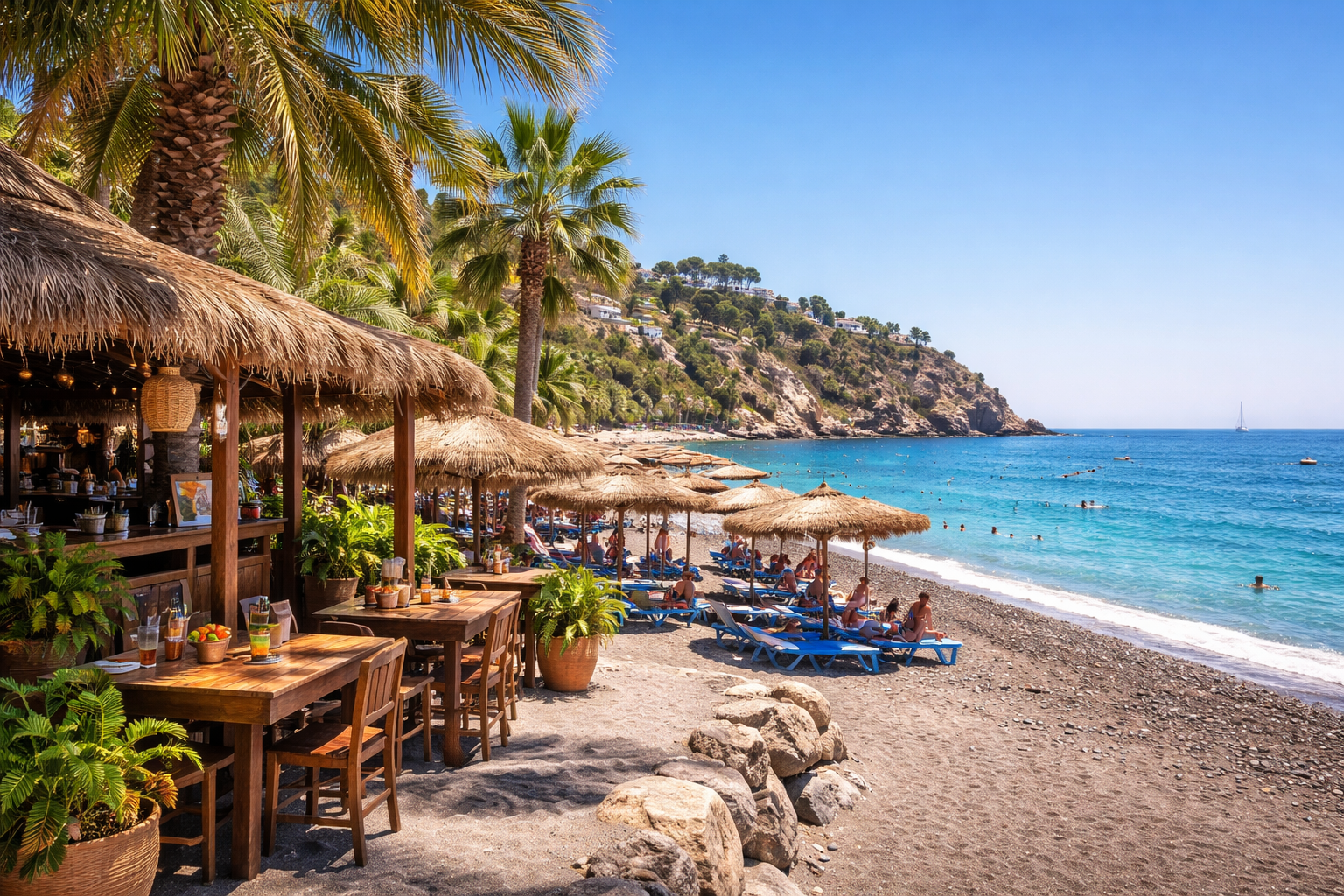
    Chiringuitos, or beach bars, are an essential part of the Andalusian coastal experience. They provide the perfect setting to enjoy fresh seafood, local wines, and tapas while listening to the soothing sound of the waves. In this blog post, I will take you on a journey through some of the best chiringuitos on the Costa Tropical, where you can soak up the sun, enjoy delicious food, and revel in the beauty of nature.

    1. Chiringuito La Isla

    Located near the charming town of Almuñécar, Chiringuito La Isla is a family-run beach bar known for its laid-back atmosphere and stunning views of the Mediterranean. Guests rave about their grilled sardines and refreshing gazpacho, perfect for hot summer days. The friendly staff adds to the welcoming vibe, making it a great spot to unwind after a day on the beach.

    2. Chiringuito de Antonio

    Nestled on the picturesque La Herradura beach, Chiringuito de Antonio is famous for its beachside paella and fresh seafood dishes. The chiringuito is a favorite among locals and tourists alike, thanks to its great ambiance and excellent service. Make sure to try their fried calamari and pair it with a glass of chilled white wine.

    3. Chiringuito El Tintero

    For a unique dining experience, head to Chiringuito El Tintero in Nerja. This chiringuito operates on a traditional system where waiters walk around with trays of freshly cooked dishes, calling out the names of the meals. Guests can simply wave to indicate they want a dish, making it an interactive and fun way to enjoy lunch. Their grilled octopus and fried fish are must-tries!

    4. Chiringuito Pelayos

    Situated on the tranquil beach of Cotobro, Chiringuito Pelayos is a hidden gem that offers a more relaxed atmosphere. The menu features a variety of tapas, from the classic tortilla española to fresh seafood dishes. Guests love the cozy ambiance and beautiful sunset views, making it a perfect spot for a romantic dinner.

    5. Chiringuito Las Palomas

    Located in Salobreña, Chiringuito Las Palomas is known for its friendly service and diverse menu. This chiringuito stands out for its excellent vegetarian options, such as grilled vegetables and salads, alongside traditional seafood dishes. The beachfront location allows for stunning views, especially during sunset.

    6. Chiringuito El Arenal

    If you are looking for a family-friendly chiringuito, El Arenal in Almuñécar is the place to be. With a menu that caters to all tastes, from fresh fish to meat dishes and vegetarian options, there is something for everyone. The chiringuito has a playground for children, making it easy for families to relax while the kids play.

    7. Chiringuito La Cueva

    For a more rustic experience, visit Chiringuito La Cueva in Maro. This chiringuito is built into the cliffs and offers breathtaking views of the coastline. Guests love their grilled fish and the unique atmosphere that makes you feel like you are dining in a hidden cave. Don’t forget to try their homemade sangria!

    Conclusion

    The Costa Tropical is not just about beautiful beaches and warm weather; it’s also about the culinary delights you can enjoy at the chiringuitos that line the coast. Each chiringuito has its own unique charm and specialties, allowing you to experience the flavors of Andalusia while soaking in stunning ocean views.

    When you visit Sea Suite Spain, take the time to explore these delightful beach bars and create unforgettable memories. Whether you’re savoring the fresh catch of the day or enjoying a chilled drink with friends, the chiringuitos of the Costa Tropical will undoubtedly enhance your holiday experience.

    Bibliography and References

  • Mediterranean Gastronomy: Must-Try Dishes of Southern Spain

    Mediterranean Gastronomy: Must-Try Dishes of Southern Spain

    Discover the Flavors of Mediterranean Gastronomy

    When you think of Southern Spain, the sun-drenched beaches, vibrant culture, and breathtaking landscapes come to mind. But one of the most delightful experiences that awaits you here is the incredible Mediterranean gastronomy.

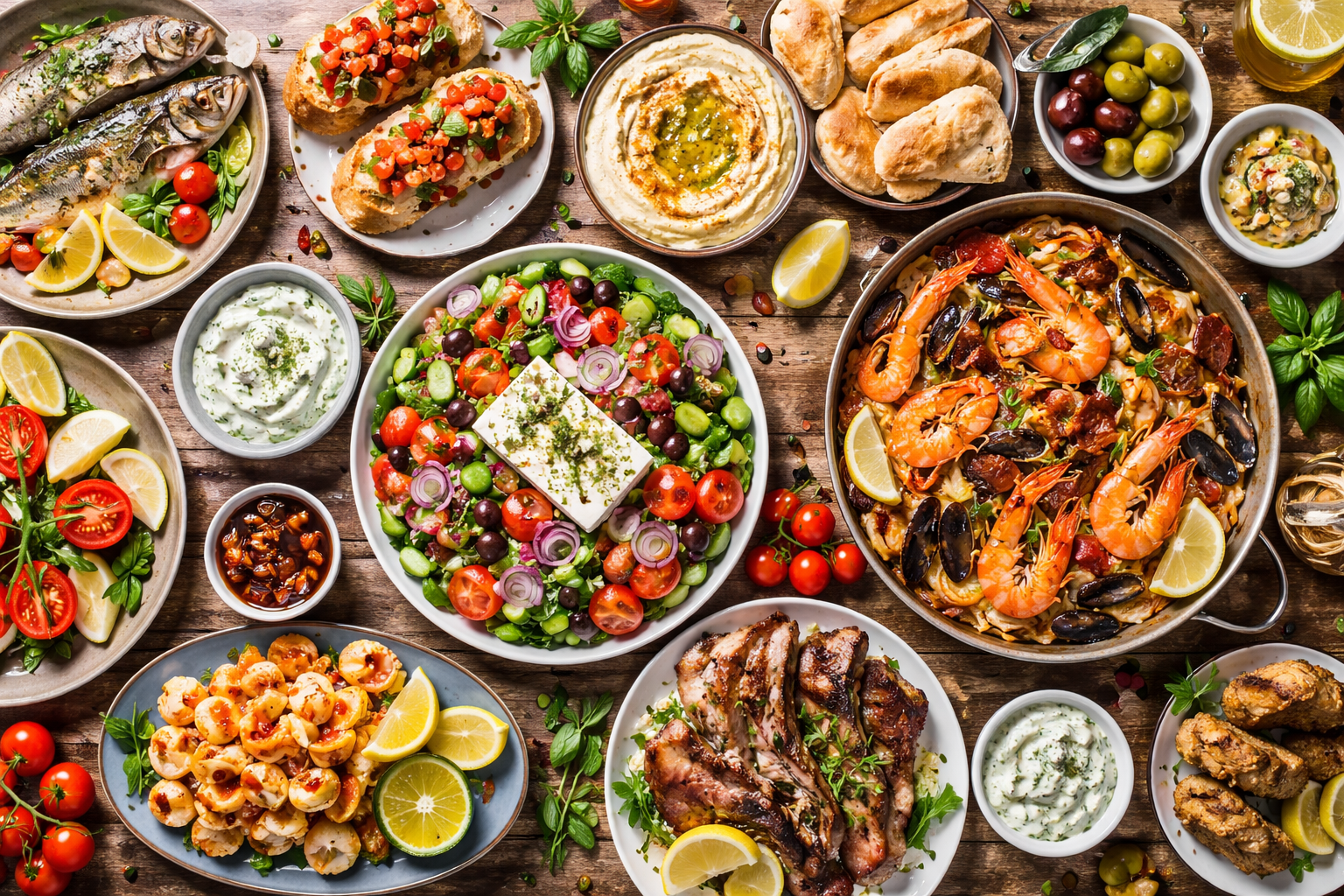
    The flavors of Andalucía are a fusion of rich history, local produce, and a passion for the sea. As the owner of Sea Suite Spain in Almuñécar, I have had the pleasure of witnessing our guests’ joy as they explore our culinary traditions. From succulent seafood to refreshing salads, the dishes of the south are sure to captivate your taste buds. Here are some must-try dishes that embody the essence of Mediterranean gastronomy.

    1. Gazpacho

    A quintessential Andalusian dish, gazpacho is a refreshing cold soup made from ripe tomatoes, cucumbers, bell peppers, onions, garlic, and a splash of olive oil. Perfect for a hot summer day, this dish is not only delicious but also healthy. The best part? You can enjoy it with a view of the sea while dining at a local chiringuito (beach bar).

    2. Pescaito Frito

    No visit to Southern Spain would be complete without trying pescaito frito, a delightful mix of small fried fish. This dish is typically served with a sprinkle of sea salt and a wedge of lemon. The crispy texture and fresh flavor make it a favorite among locals and tourists alike. Pair it with a chilled glass of local white wine, and you have a meal that captures the spirit of the Mediterranean.

    3. Paella

    Originating from the Valencia region, paella has become a staple across Spain, especially in coastal areas. In Almuñécar, you can find various types, including seafood paella that features the freshest catches from the Mediterranean. The saffron-infused rice, combined with shrimp, mussels, and calamari, creates a symphony of flavors that will transport you straight to the heart of Spain.

    4. Salmorejo

    Similar to gazpacho but with a creamier texture, salmorejo is another cold tomato soup that is thicker and richer. It is typically garnished with hard-boiled eggs and jamón (Spanish cured ham). This hearty dish is a true reflection of the rustic culinary traditions of Andalucía.

    5. Tapas

    The art of tapas is a culinary experience in itself. These small plates are designed to be shared, showcasing a variety of flavors and textures. From patatas bravas (spicy potatoes) to albondigas (meatballs), the options are endless. Enjoying tapas is not just about the food; it’s about the experience of gathering with friends and family, indulging in great conversations, and savoring every bite.

    6. Chiringuito Specialties

    As you spend your days on the beach, be sure to visit a chiringuito for some local specialties. Besides pescaito frito, many beach bars offer dishes like boquerones en vinagre (anchovies in vinegar) and fried calamari. Eating with your toes in the sand while listening to the waves is an experience you won’t forget.

    7. Flan

    To end your culinary journey, indulge in a slice of flan, a creamy caramel custard dessert that is a favorite among locals. Its smooth texture and sweet flavor make it the perfect way to cap off a delicious meal.

    Conclusion

    Southern Spain’s Mediterranean gastronomy is a celebration of fresh ingredients and bold flavors. Whether you’re enjoying a leisurely lunch by the beach or sharing tapas with friends, the culinary experiences here are sure to create lasting memories. As you explore Almuñécar and beyond, make sure to savor these dishes that truly capture the spirit of Andalucía.

    We invite you to Sea Suite Spain, where you can enjoy these culinary delights while soaking in the stunning views and vibrant atmosphere of our beautiful coast.

    References

    • Culinaria, (2020). Spanish Cuisine: The Ultimate Guide. Retrieved from Culinaria
    • Spanish Food & Wine, (2021). The Best of Mediterranean Gastronomy. Retrieved from Spanish Food & Wine
    • Andalucía Tourism, (2023). Gastronomy of Southern Spain. Retrieved from Andalucía Tourism
  • The Best Water Activities on the Costa del Sol

    The Best Water Activities on the Costa del Sol

    Welcome to the stunning Costa del Sol, where the sun kisses the sea and adventure awaits at every turn! As the proud owner of Sea Suite Spain, I have witnessed countless guests revel in the vibrant coastal life that this region offers. There’s nothing quite like the thrill of water activities against the backdrop of the azure Mediterranean. If you’re looking to make the most of your beach vacation, here’s a guide to the best water activities you should not miss.

    1. Paddle Surfing: A Calm Ride on the Waves

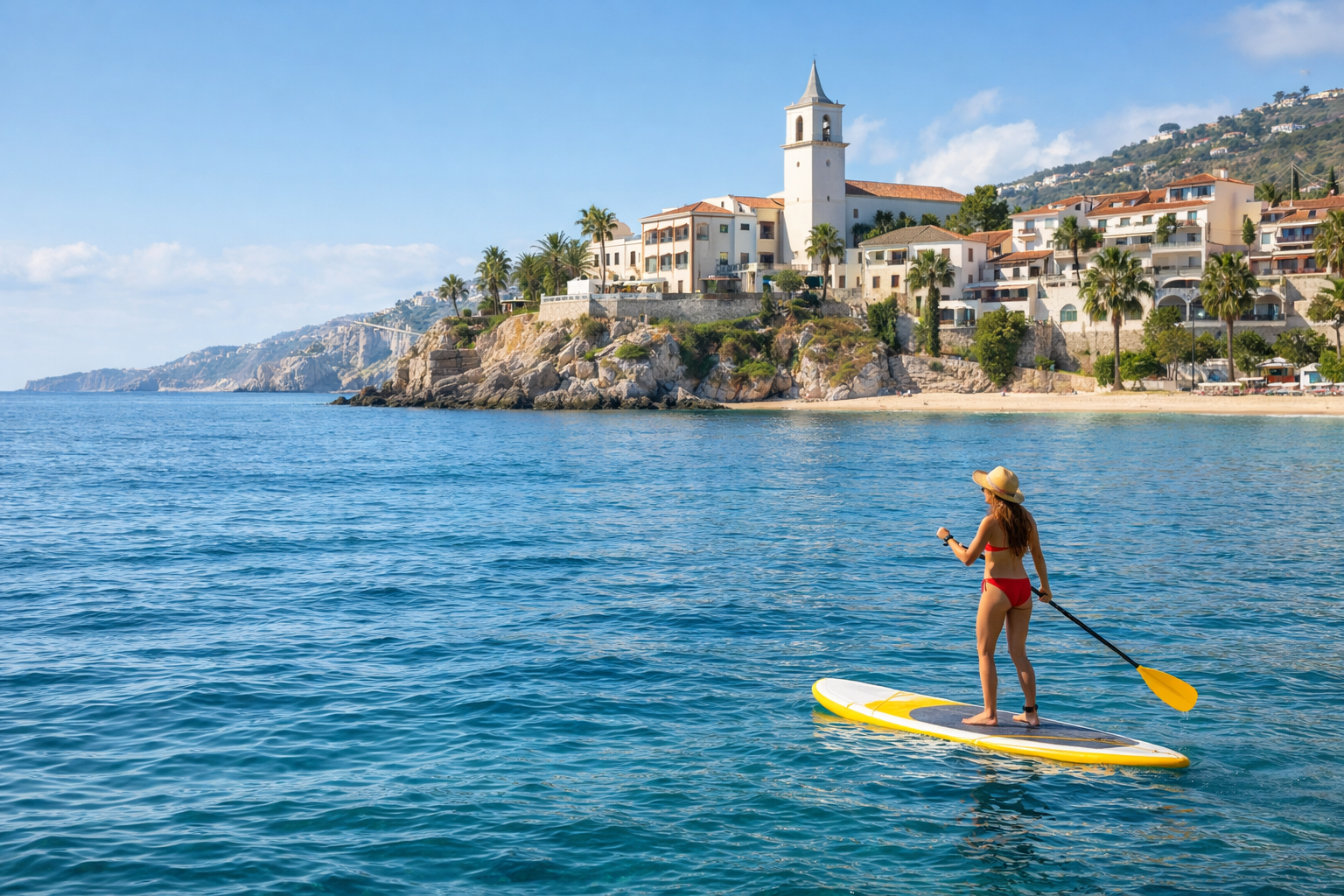
    Paddle surfing, or stand-up paddleboarding (SUP), is an excellent way to connect with the sea while enjoying the breathtaking views of the coastline. With gentle waves that lap at the shore, Almuñécar is ideal for both beginners and experienced paddlers. Rent a paddleboard from one of the local beach clubs, and you can glide over the crystal-clear waters, keeping an eye out for fish and marine life beneath.

    Imagine yourself standing on your board, the sun warming your skin, and the sound of waves lapping at your feet. It’s a perfect way to start the day or unwind in the evening, especially with the stunning sunsets that our beaches are famous for.

    2. Jet Skiing: Thrill-Seeking on the Water

    For those who crave an adrenaline rush, jet skiing is a must! Experience the thrill of racing across the waves, feeling the cool spray against your face. Local operators offer rentals and guided tours that allow you to explore hidden coves and beautiful beaches along the coastline. The sensation of speed as you navigate the beautiful waters of the Costa del Sol is unmatched.

    Whether you choose to ride solo or take along a friend, jet skiing is an exhilarating way to experience the Mediterranean. And don’t forget to stop for a moment to take in the stunning views of the cliffs and the charming coastal towns that dot the shoreline!

    3. Boat Excursions: Discovering Coastal Treasures

    One of the best ways to explore the Costa del Sol is by boat. There are numerous excursions available, ranging from short trips to full-day adventures. You can choose to go dolphin watching or simply enjoy a leisurely cruise along the coast. Nothing compares to the feeling of being out at sea, surrounded by the vastness of the Mediterranean, with the sun shining down on you.

    Many boat tours also include stops for swimming, snorkeling, or even a beach picnic, allowing you to dive into the refreshing waters and discover the rich marine life of the region. This is a perfect family-friendly activity that combines relaxation with excitement, and you may even spot playful dolphins swimming alongside your boat!

    4. Snorkeling: Explore Underwater Wonders

    The underwater world of the Costa del Sol is teeming with life, and snorkeling is one of the best ways to explore it. Join a guided snorkeling tour, and you’ll be taken to some of the best spots where vibrant fish and colorful marine flora abound. The warm, clear waters make for excellent visibility, allowing you to fully appreciate the beauty beneath the waves.

    Whether you’re a seasoned snorkeler or a beginner, this activity offers an unforgettable experience. Don the mask and fins, take a deep breath, and dive into a world that feels like a dream!

    5. Kayaking: A Relaxed Adventure

    If you’re looking for a more laid-back water activity, consider kayaking. Paddling through the calm waters allows you to explore secluded beaches and hidden caves that are often missed by larger boats. It’s also a fantastic workout while providing a unique perspective of the stunning coastline.

    Rent a kayak for a couple of hours or join a guided tour that might include interesting stops and local insights from your guide. As you glide through the water, take a moment to appreciate the natural beauty of Andalucía and the peacefulness that surrounds you.

    Conclusion: Dive into Adventure!

    The Costa del Sol is a playground for water enthusiasts, offering a diverse array of activities that cater to everyone’s taste. Whether you’re paddling through tranquil waters, racing on a jet ski, or exploring the depths of the sea, the experiences are endless. As the owner of Sea Suite Spain, I invite you to immerse yourself in the beauty of our coastline and create unforgettable memories during your stay.

    Don’t forget to combine your adventures with some delicious local cuisine at the end of the day. After all, nothing complements a day of water activities like a fresh seafood dinner by the beach!

    So grab your sunscreen, gather your loved ones, and get ready for an unforgettable aquatic adventure on the Costa del Sol. See you on the waves!

  • Exploring the Natural Beauty of Cabo de Gata

    Exploring the Natural Beauty of Cabo de Gata

    Why Cabo de Gata is a Nature Lover’s Paradise

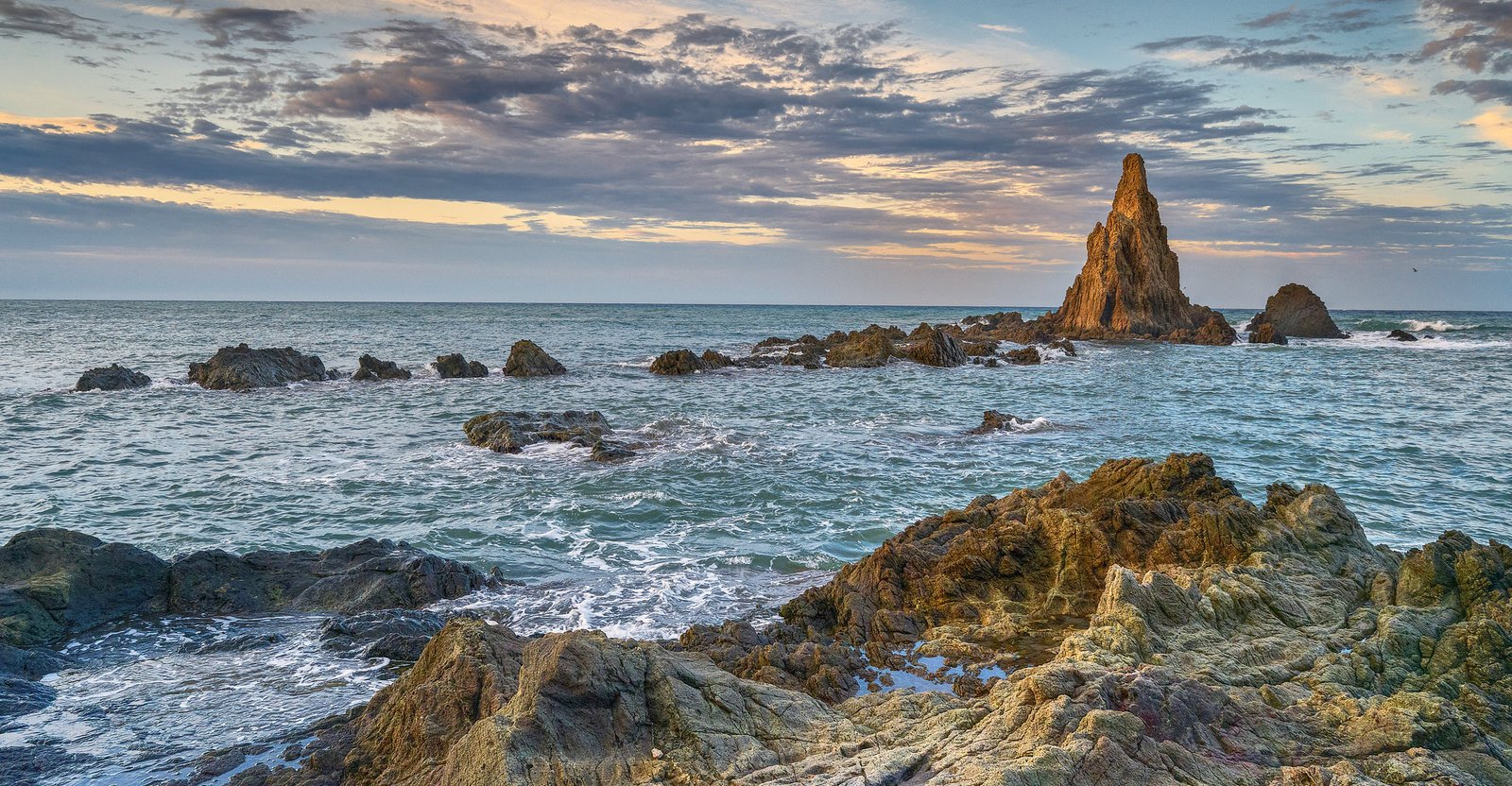
    Located in Almería, Cabo de Gata-Níjar Natural Park is one of Andalusia’s most breathtaking destinations. From pristine beaches to dramatic volcanic landscapes, this UNESCO Biosphere Reserve is a haven for outdoor enthusiasts and eco-travelers. Let’s dive into the unique experiences awaiting you in this natural wonder.

    1. Pristine Beaches and Hidden Coves

    Top Beaches to Visit

    • Playa de los Genoveses: A golden crescent of sand surrounded by dunes and eucalyptus trees.
    • Playa de Mónsul: Famous for its volcanic rock formations and crystal-clear waters.
    • Cala de Enmedio: A secluded cove accessible via a short hike.

    Tips for Visitors

    • Visit early in the morning to avoid crowds.
    • Bring water, sunscreen, and sturdy shoes for exploring.

    2. Hiking and Scenic Trails

    Must-Do Hikes

    • Rodalquilar Mines Route: Explore the remnants of gold mines while enjoying panoramic views.
    • El Fraile Trail: A moderate hike leading to the highest point in the park.
    • Coastal Path: Walk along dramatic cliffs with stunning sea vistas.

    Tips for Hikers

    • Pack snacks and a map, as trails are often unmarked.
    • Respect the natural environment by staying on designated paths.

    3. Unique Flora and Fauna

    Cabo de Gata boasts an impressive variety of plant and animal life.

    • Flora: Agaves, prickly pears, and endemic Mediterranean species.
    • Fauna: Look out for pink flamingos in the salt flats and other migratory birds.

    Eco-Tourism Opportunities

    • Join a guided birdwatching tour to learn more about the area’s diverse ecosystems.
    • Visit the Salt Flats of Cabo de Gata for a chance to see wildlife up close.

    4. Water Activities and Adventures

    What to Try

    • Snorkeling and Diving: Discover underwater volcanic rock formations and marine life.
    • Kayaking: Paddle along the coast to explore caves and hidden beaches.
    • Stand-Up Paddleboarding: A relaxing way to enjoy the serene waters.

    Tips for Water Enthusiasts

    • Book activities with local eco-friendly operators.
    • Wear reef-safe sunscreen to protect marine ecosystems.

    5. Cultural Gems in Cabo de Gata

    Historic Sites

    • San José: A charming fishing village offering local cuisine and artisan shops.
    • Las Sirenas Lighthouse: Located on a rugged cliff, offering panoramic views of the Mediterranean.
    • Almadraba de Monteleva: A small village with a picturesque church and traditional fishing heritage.

    Local Cuisine to Try

    • Caldero: A traditional rice dish cooked with local fish.
    • Tostas de Tomate y Jamón: Toasted bread with tomato and Serrano ham.
    • Fried Fish: Freshly caught and prepared simply.

    Tips for a Sustainable Visit

    • Support Local Businesses: Choose locally owned accommodations and restaurants.
    • Respect Wildlife: Avoid disturbing animals and their habitats.
    • Leave No Trace: Carry out all trash and avoid single-use plastics.

    Why Cabo de Gata Should Be on Your Bucket List

    Whether you’re an adventurer, a beach lover, or a nature enthusiast, Cabo de Gata offers a unique blend of tranquility and excitement. Its unspoiled beauty and commitment to conservation make it one of Spain’s must-visit destinations.

    Bibliography and Resources

  • Marine Adventures: Snorkeling and Diving Spots Near Costa Tropical

    Marine Adventures: Snorkeling and Diving Spots Near Costa Tropical

    Dive into the Marine Wonders of Costa Tropical

    Costa Tropical, located in the southern region of Spain, is a paradise for marine enthusiasts. With its crystal-clear waters, diverse marine life, and stunning underwater landscapes, this region offers some of the best snorkeling and diving experiences in Andalusia. Whether you’re a seasoned diver or a first-time snorkeler, Costa Tropical has something for everyone.

    1. Top Snorkeling Spots

    Playa de La Herradura

    • Why It’s Great: Protected by a natural bay, this spot offers calm waters and abundant sea life, including octopuses and colorful fish.
    • Best Time to Visit: Early morning for clear visibility.
    • Tips: Bring your own snorkeling gear or rent from local shops.

    Cerro Gordo Marine Reserve

    • Why It’s Great: This reserve is known for its pristine waters and vibrant coral formations.
    • Marine Life to See: Starfish, moray eels, and shoals of small fish.
    • Tips: Guided snorkeling tours are available for beginners.

    Playa de Calahonda

    • Why It’s Great: Its rocky seabed is ideal for spotting marine flora and fauna.
    • Accessibility: Easy entry from the beach, suitable for families.
    • Tips: Pack water shoes to navigate the rocky areas comfortably.

    Parque Océano Azul

    • Under construction: The project is currently out to tender and construction will begin in a few weeks.
    • Extensive underwater park: this project will include several locations between Marina del Este and Cotobro.
    • Historical background: reviewing the history and culture of Almuñécar through submerged structures imitating amphorae and boats with which to recover marine flora and fauna.

    2. Best Diving Locations

    Marina del Este

    • Why It’s Great: A popular diving site with shallow areas for beginners and deeper zones for advanced divers.
    • What to Explore: Underwater caves and vibrant reef systems.
    • Tips: Certified dive centers in the area provide equipment and training.

    Punta de la Mona

    • Why It’s Great: Known for its dramatic underwater cliffs and diverse marine species.
    • Marine Life to Spot: Groupers, barracudas, and nudibranchs.
    • Tips: Night dives are highly recommended for a unique experience.

    La Rijana Beach

    • Why It’s Great: Its clear waters and sheltered location make it ideal for beginners.
    • Unique Features: Submerged rock formations and small caves.
    • Tips: Dive during the week to avoid crowds.

    3. Marine Life You’ll Encounter

    • Fish: Sea bream, wrasse, and damselfish.
    • Invertebrates: Sea cucumbers, crabs, and anemones.
    • Seasonal Visitors: Dolphins and sea turtles during specific times of the year.

    Tips for Wildlife Spotting

    • Move slowly to avoid scaring the animals.
    • Avoid touching or disturbing marine life to protect the ecosystem.

    4. Eco-Friendly Marine Adventures

    • Choose Responsible Operators: Opt for dive centers that prioritize sustainable practices.
    • Use Reef-Safe Sunscreen: Protect marine habitats from harmful chemicals.
    • Participate in Cleanup Dives: Help preserve the underwater environment by collecting debris.

    5. Practical Tips for Snorkeling and Diving

    • Gear Up: Ensure your equipment is well-fitted and functional.
    • Stay Safe: Always snorkel or dive with a buddy.
    • Check Weather Conditions: Avoid the water during rough seas for safety and better visibility.

    Why Costa Tropical is a Marine Paradise

    With its combination of vibrant marine life, stunning underwater landscapes, and accessible snorkeling and diving sites, Costa Tropical is a dream destination for those who love the ocean. From exploring shallow coral reefs to diving into deep underwater caves, every experience here is unforgettable.

    Bibliography and Resources

close

Social Media Content removal

Social Media Content will be completely deleted. This process cannot be reversed and cannot be recovered.

Manual Content Generation

error Please enter a title for the post.

Please wait while content is being generated...

Generating Themes...

Please wait while themes are being generated...

Generating Content...

Please wait while content is being generated...

Generating Social Media Content...

Please wait while social media content is being generated...

Generating Test Image...

Please wait while the test image is being generated...

Generating Instagram Image...

Please wait while the Instagram image is being generated...

Guest removal

Guest will be completely deleted. This process cannot be reversed and cannot be recovered.

Accommodation removal

Accommodation will be completely deleted. This process cannot be reversed and cannot be recovered.

Part of traveller removal

Part of traveller will be completely deleted. This process cannot be reversed and cannot be recovered.

  • Español
  • Book Your Stay Today

    Ready to experience the magic of the Mediterranean coast?

    Don't wait—reserve your dream getaway at Sea Suite Cotobro now and discover why our guests call it a "true gem."

    account_circle
    Only letters, numbers and these symbols: !@#$%^&*()_+-=[]{}|;:,.?

    Bot Analysis Tool

    Bot Analysis Tool

    This tool analyzes existing users to identify potential bots based on various patterns and behaviors.

    Analysis Criteria:

    • Suspicious email patterns (sequential, temp emails)
    • Bot-like usernames (user123, test456, etc.)
    • Empty or generic profile data
    • Multiple registrations from same IP
    • Suspicious user agent strings
    • No activity since registration

    Warning: This analysis is based on patterns and may produce false positives. Always review results carefully before taking action.