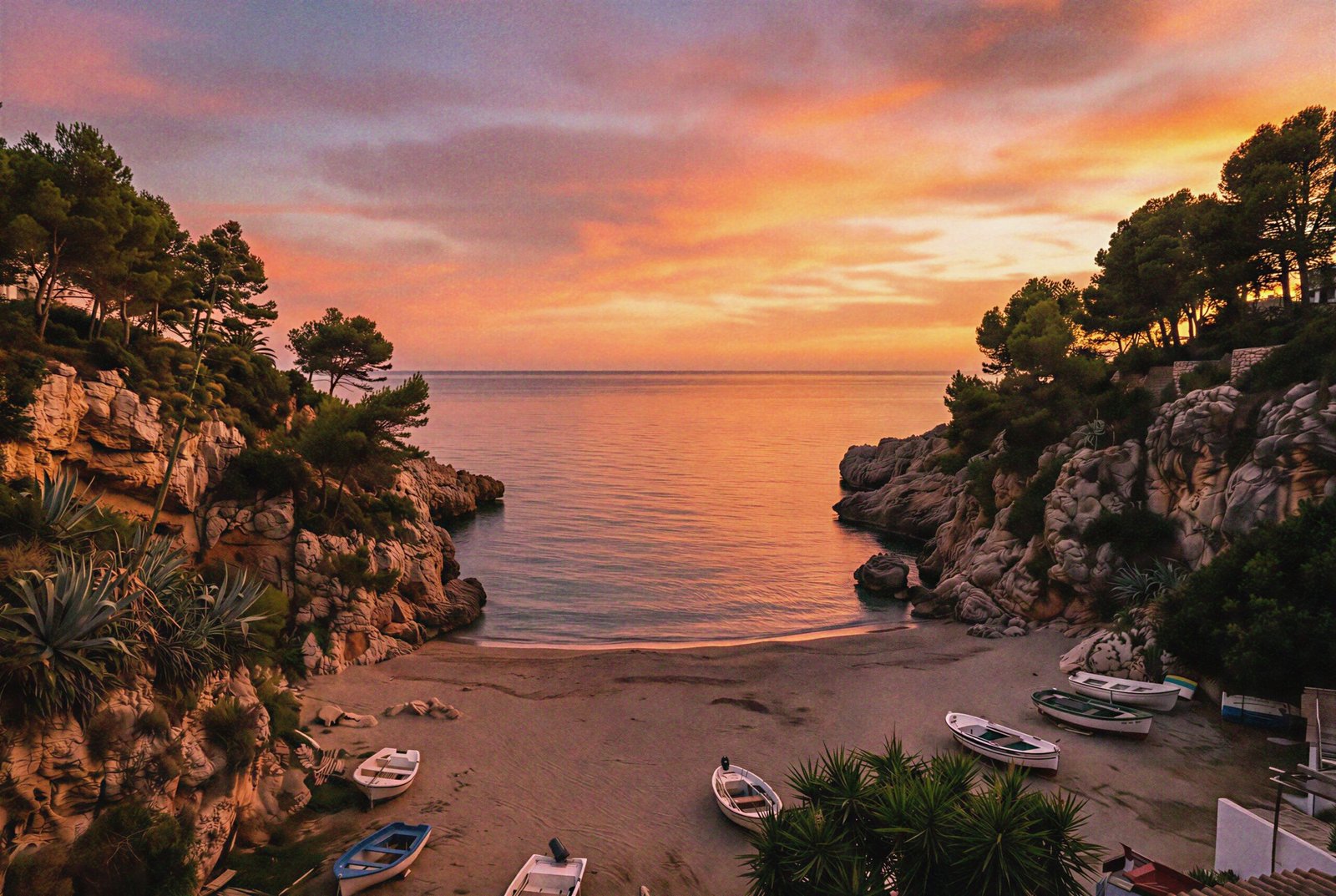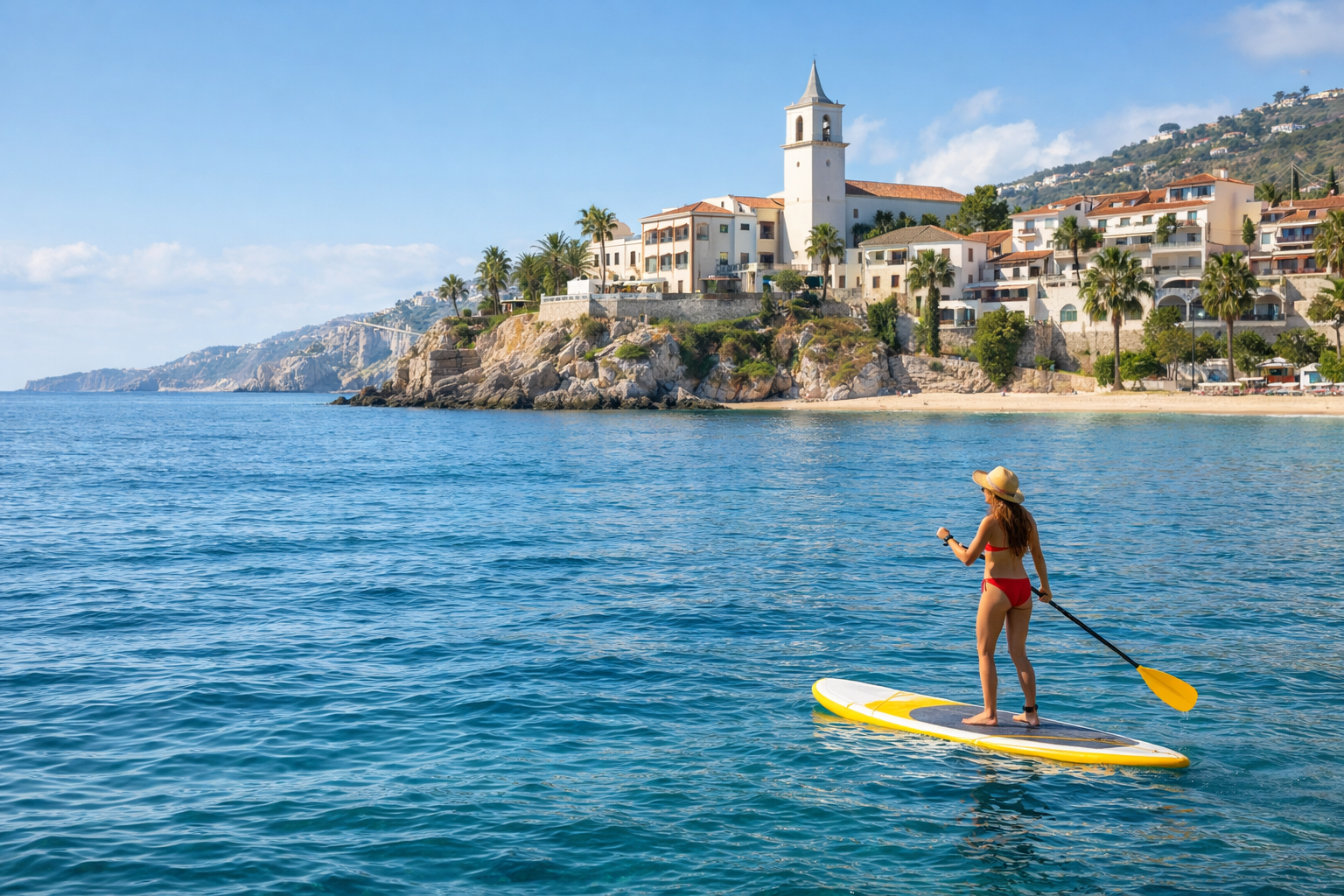
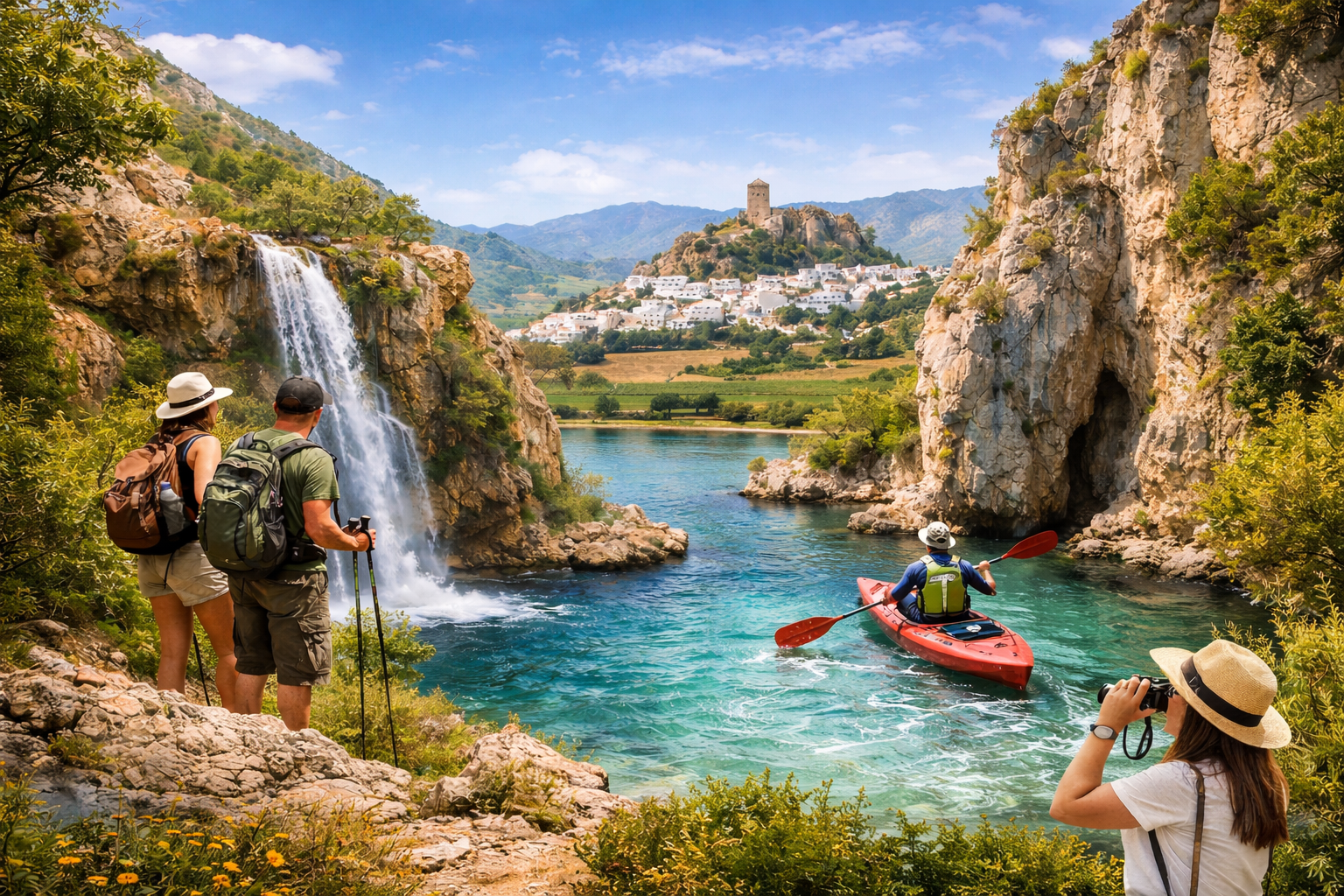
Southern Spain, particularly the beautiful region of Andalusia, is a haven for ecotourism enthusiasts. With its stunning landscapes, diverse wildlife, and rich cultural heritage, it offers countless opportunities for sustainable travel experiences. From birdwatching in nature reserves to participating in organic farming, let’s dive into the ecotourism activities that can enrich your stay in this picturesque corner of the Mediterranean.
1. Birdwatching in Andalusia
Andalusia is home to some of the most important birdwatching sites in Europe, making it a paradise for avian enthusiasts. The region’s varied ecosystems, including wetlands, mountains, and coastal areas, provide habitat for over 500 bird species. Key locations include:
- Doñana National Park: This UNESCO World Heritage site is one of the most significant wetlands in Europe and a crucial breeding ground for species like the Spanish Imperial Eagle and the Black Stork. The park covers 543 square kilometers and attracts birdwatchers year-round, especially during migration seasons in spring and autumn.
- Cabo de Gata-Níjar Natural Park: Known for its dramatic landscapes and unique flora and fauna, this coastal park is a hotspot for observing species such as the Audouin’s Gull and the Lesser Kestrel. Birdwatching tours are available, allowing visitors to learn from local experts while enjoying the stunning scenery.
- Laguna de Fuente de Piedra: This saline lagoon is famous for its large population of flamingos. Each spring, thousands of these elegant birds congregate here to breed, creating a breathtaking spectacle that draws photographers and nature lovers alike.
2. Sustainable Hiking Trails
Hiking in Andalusia offers an exceptional way to explore its natural beauty while minimizing your environmental footprint. Here are some recommended trails:
- Sierra de Grazalema Natural Park: This biosphere reserve features a network of hiking trails that wind through lush forests and dramatic limestone cliffs. The park is home to the endangered Spanish Fir and a variety of wildlife, including the elusive Iberian Lynx. Trails range from easy walks to challenging hikes, catering to all fitness levels.
- El Torcal de Antequera: Known for its unique karst formations, El Torcal offers several marked trails that allow visitors to appreciate its geological wonders while spotting endemic species. The park is particularly famous for its diverse flora, including orchids and rare plants.
- Caminito del Rey: Once known as the world’s most dangerous walkway, this restored trail now offers a safe yet thrilling hiking experience along the cliffs of the Guadalhorce River Gorge. The breathtaking views and the surrounding natural environment make it a must-visit for hikers.
3. Agricultural Tourism: Experience the Farm Life
Participating in agricultural tourism is a fantastic way to connect with Andalusia’s rich agricultural heritage and support local farmers. Here are some activities you might consider:
- Olive Oil Tours: Andalusia is the world’s leading producer of olive oil, and many estates offer guided tours where visitors can learn about traditional olive oil production methods. You can participate in tastings, where you’ll discover the different varieties and flavors of this liquid gold. Areas like Jaén, known as the “Olive Oil Capital of the World,” are particularly famous for these tours.
- Organic Farming Workshops: Join a local farm to learn about sustainable farming practices. Many farms in the region offer workshops where you can get your hands dirty, planting vegetables and herbs, and understanding the importance of organic farming. This experience provides insight into food production while promoting environmental sustainability.
- Vineyard Tours and Wine Tastings: Explore the vineyards of Andalusia, particularly in the Jerez and Montilla-Moriles regions, known for their rich wine culture. Many wineries offer tours that include a walk through the vineyards, an overview of the winemaking process, and tastings of local wines, often accompanied by traditional tapas.
Marine Conservation Activities
With its extensive coastline, Andalusia offers ample opportunities for marine conservation activities that promote the protection of its rich marine biodiversity.
- Diving and Snorkeling: The waters of the Mediterranean teem with life, and many ecotourism operators offer diving and snorkeling excursions that allow people to explore underwater ecosystems while emphasizing the importance of marine conservation. Popular dive sites include the waters surrounding the Alboran Sea and Cabo de Gata, where divers can observe coral reefs, schools of fish, and even shipwrecks.
- Beach Clean-Up Initiatives: Participate in local beach clean-up events organized by community groups and environmental organizations. These initiatives not only help keep beaches clean but also foster a sense of community and awareness about the importance of keeping our oceans clean.
- Marine Wildlife Watching: Join eco-friendly boat tours that focus on observing marine wildlife, such as dolphins and whales, in their natural habitats. These excursions often promote responsible wildlife viewing practices and educate participants about species and their conservation status.
Conclusion
Andalusia offers a plethora of ecotourism activities that allow visitors to immerse themselves in the region’s natural beauty while promoting sustainability. Whether birdwatching in a national park, hiking along breathtaking trails, participating in farm tours, or getting involved in marine conservation, there are endless opportunities to explore and appreciate the rich biodiversity of southern Spain. Embrace the opportunity to experience this vibrant region responsibly, ensuring that its natural wonders can be enjoyed by future generations.
References
- Parque Nacional de Doñana. (n.d.). Centro del Patrimonio Mundial de la UNESCO.
- Parque Natural Cabo de Gata-Níjar. (n.d.). Parques Naturales de Andalucía.
- Parque Natural Sierra de Grazalema. (n.d.). Parques Naturales de Andalucía.
- Tours de Aceite de Oliva en Jaén. (n.d.). Tours de Aceite de Oliva.